
You are sitting on your couch, and your Ragdoll walks up to you with those piercing blue eyes. You reach down to scoop them up, and suddenly—total collapse. Their muscles relax, their head falls back into your hand, and they become a puddle of warm fluff.
It is the classic “Ragdoll Cat Flop.” It is the trait that gave this breed its name in the 1960s.
But as a researcher analyzing feline behavior, I often get asked: Is this normal? Do they all do it? Is something wrong with their muscles?
While it looks adorable, there is actually a biological and temperamental reason behind this unique behavior. Let’s look at the facts.
Quick Facts: The Ragdoll Cat Flop
- Scientific Name: Feline Voluntary Muscular Relaxation Response
- Primary Cause: Genetic temperament (low “fight or flight” threshold) + Deep Trust
- Prevalence: Roughly 60-70% of Ragdolls display the full “dead weight” flop.
- Medical Warning: If the limpness is accompanied by panting, rapid breathing, or pain, consult a vet immediately.
The “Flopping” Phenomenon Explained
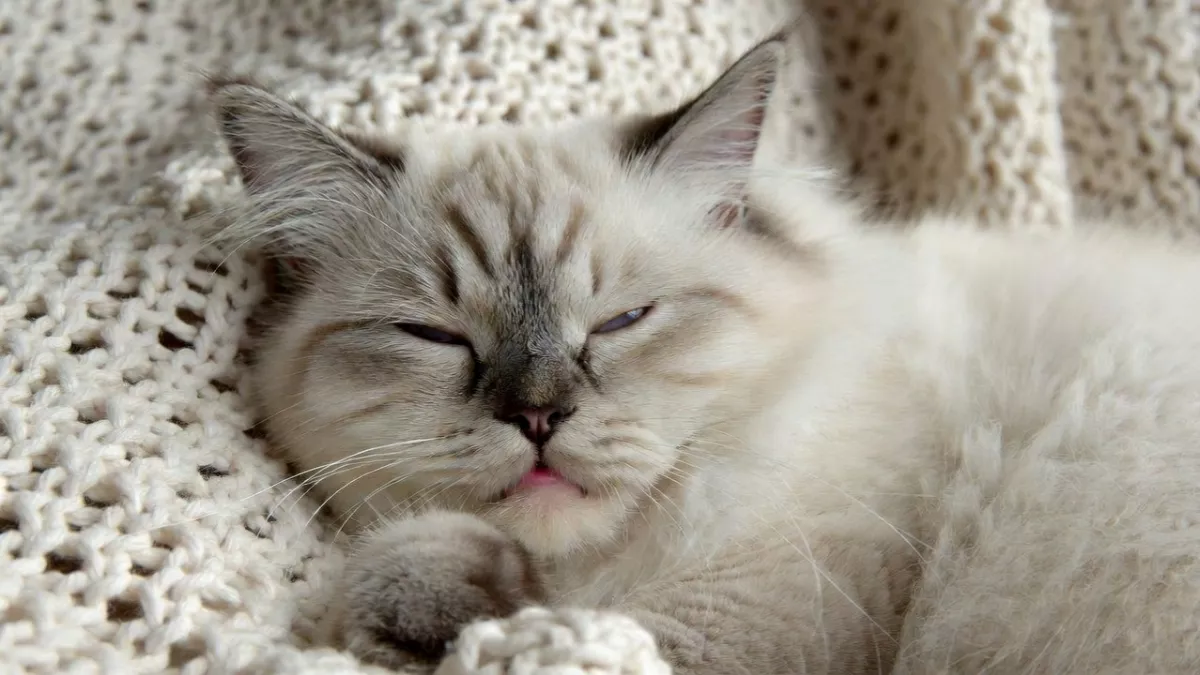
First, it is important to understand that the “flop” is a voluntary muscular relaxation. It is not a medical condition, and it is not a seizure. When a Ragdoll goes limp in your arms, they are making a conscious choice to completely release tension in their muscles.
The famous Ragdoll Cat Flop traces back to the foundation of the breed. Ann Baker, the creator of the Ragdoll, claimed the original cat, Josephine, passed this trait down to her kittens. While some of Baker’s early claims were scientifically impossible (like the cats having no pain receptors—which is undeniably false), the genetic tendency for extreme docility was successfully bred into the line.
Biologically, this response is linked to a low “fight or flight” threshold. Most cats have a high level of alertness; even when held, their muscles remain slightly tense, ready to spring away if needed. Ragdolls, however, have been selectively bred for a temperament that trusts humans implicitly.
The “Flop” signals two things:
- Total Trust: The cat feels zero threat in your presence.
- Submission: They are yielding control to you, the owner.
Do All Ragdolls Go Limp?
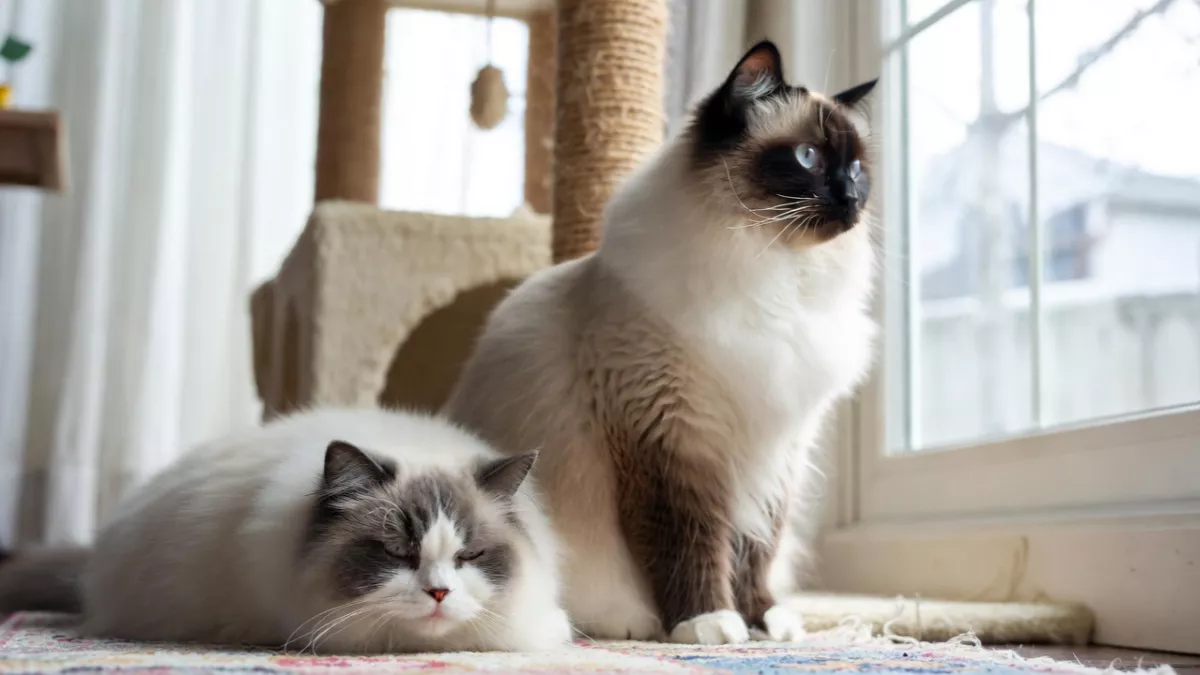
This is a common misconception. Not every purebred Ragdoll will go completely limp like a rag doll toy.
According to data from breed surveys and owner reports:
- The “Total Floppers”: About 60-70% of Ragdolls exhibit the classic dead-weight limpness when handled.
- The “Relaxed but Firm”: Another 20% will relax but keep their head up or hold onto your shoulder.
- The “Non-Floppers”: Yes, some Ragdolls prefer to keep four paws on the ground.
If your Ragdoll doesn’t go limp, it does not mean they aren’t a “real” Ragdoll. Individual personality plays a massive role. Some cats simply prefer autonomy over being held, even if they are affectionate in other ways.
Do Maine Coons Flop Too?
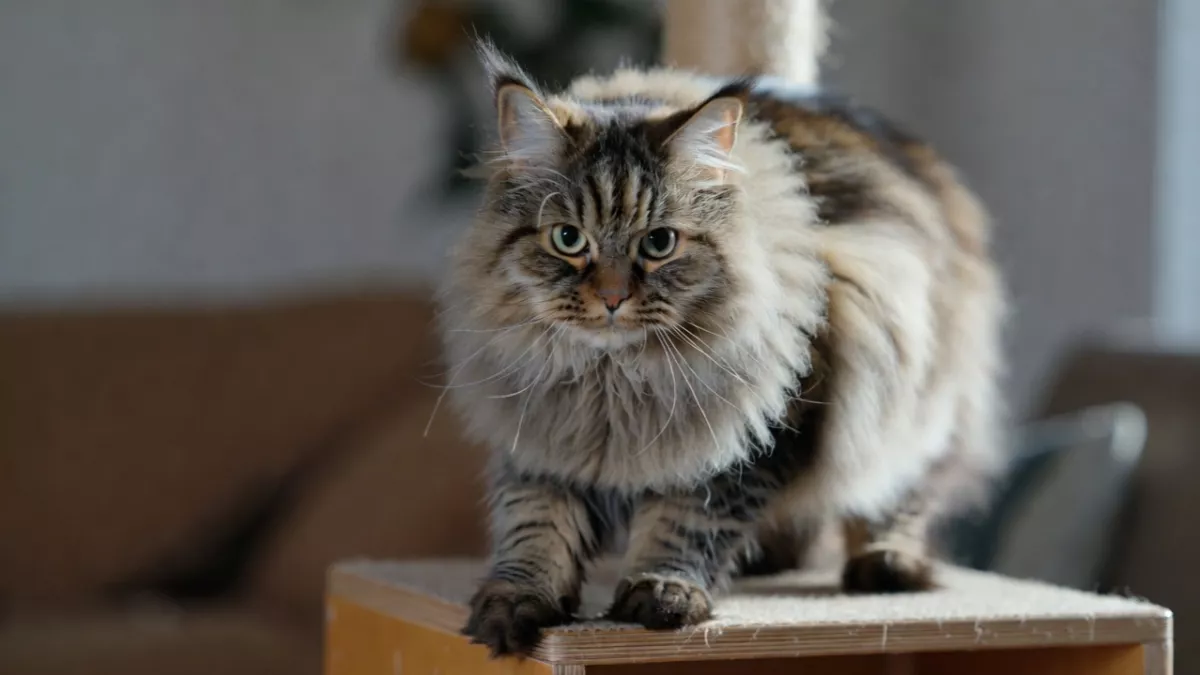
Since we discuss both giants here at Sophisti Cattery, this is a valid question. Generally, Maine Coons do not flop like Ragdolls.
While Maine Coons are affectionate and “dog-like” (often following you around), they remain physically alert. A Maine Coon is more likely to sit next to you than turn into a limp noodle in your arms. If you are looking for that specific “rag doll” physics, the Ragdoll breed is unique in this regard.
(Planning to get a giant cat? Read our full comparison: Maine Coon vs Ragdoll: Which Gentle Giant is Right for You?)
When Should You Worry? (Medical vs. Behavioral)
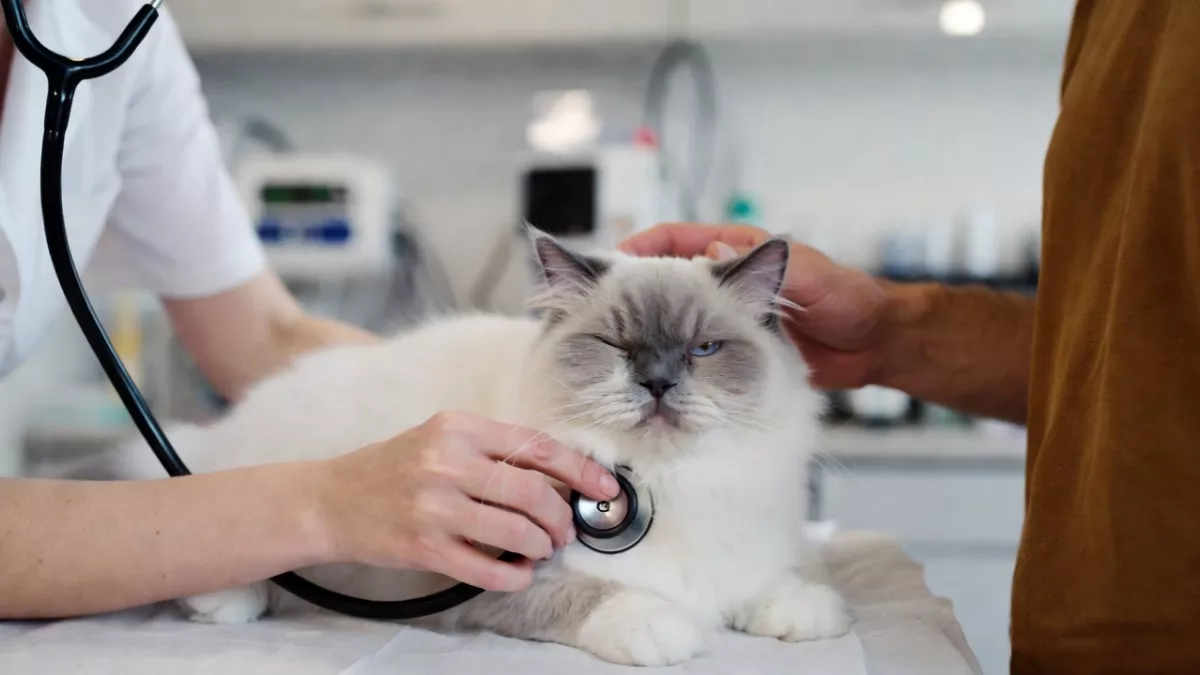
While the Ragdoll Cat Flop is cute, you need to distinguish between this behavioral quirk and a medical issue.
A healthy Ragdoll cat flops only when they are relaxed or being held. If you notice your cat is limp, lethargic, or unable to stand up on their own, that is not the “Ragdoll trait.” That is a medical emergency.
Watch for these signs of Feline Hypertrophic Cardiomyopathy (HCM):
Ragdolls are genetically predisposed to HCM, a heart condition. If the “limpness” is accompanied by rapid breathing, panting, or weakness in the hind legs, consult your veterinarian immediately.
How to Encourage the “Flop”
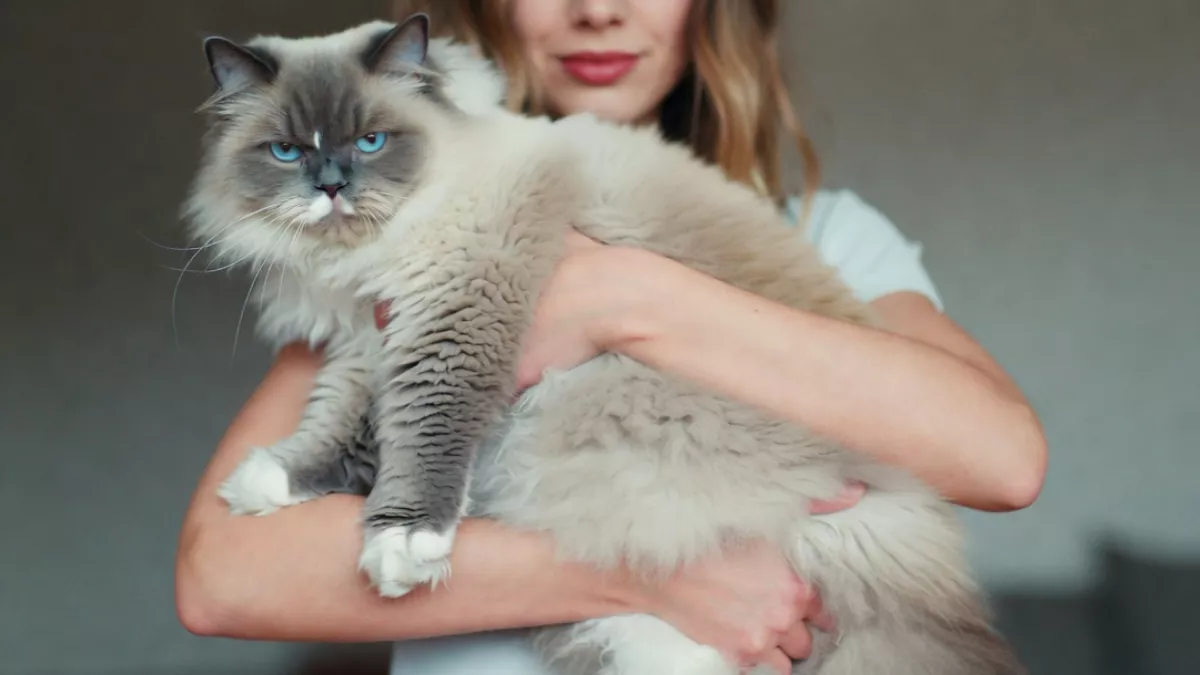
If you want to encourage the Ragdoll Cat Flop, you need to support their large frame properly. Ragdolls are large cats; a male can weigh over 20 pounds. If you pick them up under the armpits like a child, they will tense up because their spine isn’t supported.
The correct way to hold a Ragdoll:
- Place one hand under their chest (behind the front legs).
- Place your other hand firmly under their hindquarters to support their weight.
- Pull them close to your chest so they feel secure.
When they feel physically supported, they are far more likely to engage that relaxation reflex and give you the famous flop.
Frequently Asked Questions
Most Ragdoll kittens are playful and active. The “flop” usually develops as they mature and their trust bond deepens, typically between 5 to 12 months of age. Kittens are often too full of energy to relax completely.
No. This is a dangerous myth started by the breed’s founder. Ragdolls feel pain just like any other cat. Never squeeze or drop them assuming they cannot feel it.
Not at all. It simply means your cat has a more independent personality or prefers showing affection through head-butts and purring rather than submission. It is not a defect, just a personality quirk.
Sophie’s Note:
Does your Ragdoll cat flop, or are they a “stiff” hugger? Every cat is different, but that trust they show us is universal.

Editor-in-Chief & Breed Specialist. With deep respect for TICA and CFA standards, Sophie specializes in “Gentle Giants”—Maine Coons and Ragdolls—helping you understand exactly why your cat behaves the way it does.
