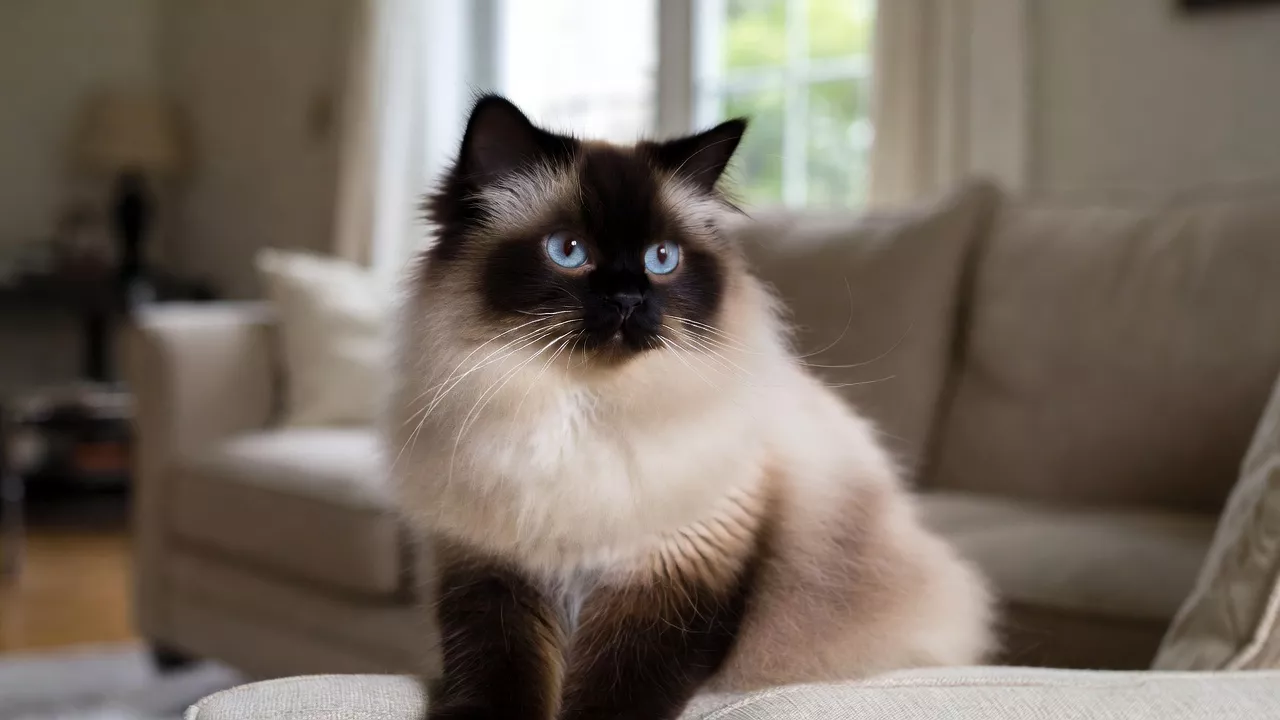
Imagine walking through your front door after a long day at work. You aren’t greeted by a distant stare from the top of a cat tree. Instead, a massive ball of fluff trots up to the door to meet you, flops over on your feet, and demands a belly rub.
No, that’s not a dog. That is the magic of the Ragdoll.
If you are considering adding one of these blue-eyed beauties to your family, you need more than just cute photos. You need the facts. In this comprehensive Ragdoll cat breed profile, we are breaking down everything you need to know—from their famous “floppy” personality to their specific care requirements.
The “Quick Answer”
The short answer is: The Ragdoll is a large, semi-longhair cat breed best known for its docile, affectionate nature and striking blue eyes. Often called “puppy cats,” they are famous for going limp (relaxing completely) when picked up. They are strictly indoor cats that thrive on human companionship and get along well with children and other pets.
The “Puppy Cat” Personality
Here is the truth: If you want a cat that ignores you, do not get a Ragdoll.
These cats didn’t earn the nickname “puppy cat” by accident. In my experience with the breed, they are more likely to follow you from room to room than to sleep alone in a closet.
Imagine this scenario:
You are trying to work on your laptop. A Ragdoll won’t just sit near you; they will likely try to “help” by lying across your keyboard. When you walk to the kitchen, they are right behind you. When you go to the bathroom… well, you might not have much privacy anymore.
They are incredibly gentle, which makes them fantastic for families.
However, this trusting nature means they lack street smarts. A Ragdoll should never be an outdoor cat—they are simply too nice for the harsh outside world.
Ragdoll Breed Stats At-A-Glance
Before you commit, you need to know what you are signing up for regarding size and lifespan.
| Vital Stats | The Facts |
|---|---|
| Average Weight (Male) | 15 – 20+ lbs (Massive!) |
| Average Weight (Female) | 10 – 15 lbs |
| Lifespan | 12 – 15+ years |
| Eye Color | Always Blue (Traditional) |
| Coat Type | Semi-longhair, silky, no undercoat |
| Activity Level | Low to Moderate (The “Floor Cat”) |
| Hypoallergenic? | No |
Ragdolls are massive, but are they the biggest? If you are torn between the two giants of the cat world, check out our detailed battle: Maine Coon vs Ragdoll.
Colors and Patterns
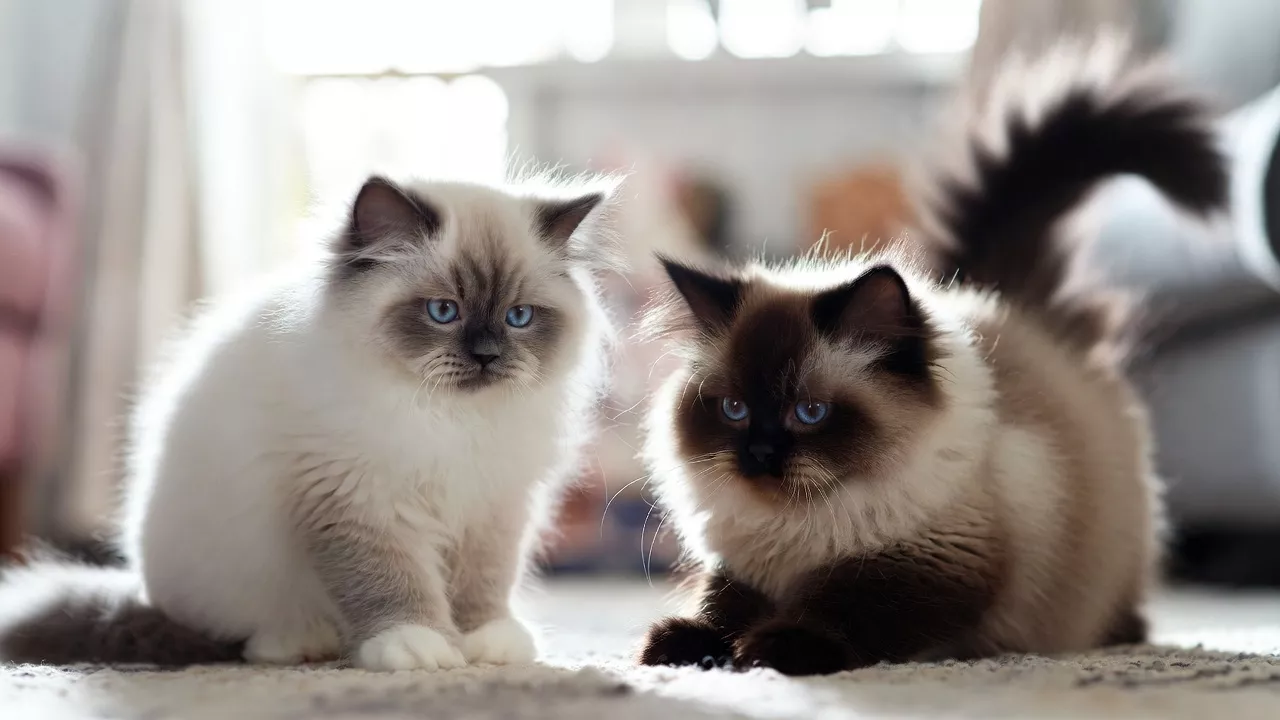
One thing that confuses new owners is the color development. All Ragdoll kittens are born completely white. Their color only starts to show around 1-2 weeks of age and can take up to 3 years to fully darken.
They are a “pointed” breed, meaning they have a lighter body with darker extremities (ears, tail, paws, and mask). The most common colors you will see are:
- Seal: A deep, dark brown.
- Blue: A slate grey.
- Chocolate & Lilac: Lighter, warmer tones.
Care and Grooming Needs
You might look at that fluff and think, “Oh no, the shedding.”
But wait: Ragdolls are actually easier to groom than many other long-haired breeds (like Persians). Why? Because they have no undercoat.
Their fur is silky and rabbit-like, which means it mats less often. However, “less often” doesn’t mean “never.”
- Brushing: You should brush them at least twice a week, focusing on the armpits and behind the ears where tangles form.
- The “Pantaloon” Problem: Ragdolls have very fluffy back legs (pantaloons). You might need to do a “sanitary trim” occasionally to keep things clean after the litter box.
- Shedding: Yes, they shed. Especially in spring and fall.
Health and Lifespan
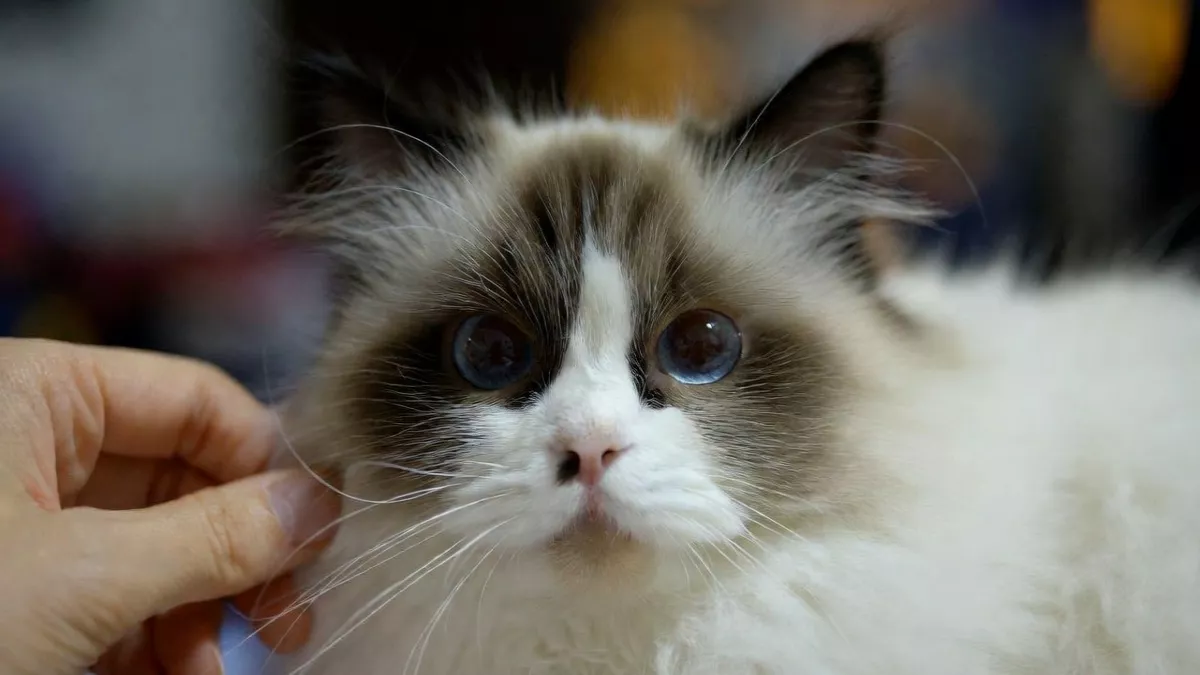
While generally healthy, Ragdolls are purebred cats, and that comes with specific genetic risks. The big one to watch out for is Hypertrophic Cardiomyopathy (HCM), a common heart disease.
Practical Tip: When looking for a kitten, always ask the breeder if the parents have been DNA tested for HCM. A reputable breeder will show you the paperwork without hesitation. If they make excuses, walk away.
Ragdoll Price FAQs
In 2026, you can expect to pay between $2,000 and $3,500 for a pet-quality kitten from a reputable breeder. Show-quality cats can cost significantly more.
No, they are not. While they lack an undercoat (which might reduce the amount of dander slightly compared to a double-coated cat), they still produce the Fel d 1 protein that causes allergies.
This is a dangerous myth. Because Ragdolls are so quiet and stoic, some people wrongly believe they don’t feel pain. They absolutely do—they just don’t complain about it loudly. You need to pay close attention to subtle changes in their behavior.
Living with the Legend
The Ragdoll isn’t just a pet; it’s a shadow, a bed-warmer, and a loyal companion wrapped in silk. If you have the space for a large cat and the time to give them the attention they crave, they are arguably the perfect breed.
What attracts you most to the Ragdoll breed? Is it the blue eyes or the floppy personality? Let me know in the comments below!

Editor-in-Chief & Breed Specialist. With deep respect for TICA and CFA standards, Sophie specializes in “Gentle Giants”—Maine Coons and Ragdolls—helping you understand exactly why your cat behaves the way it does.
