You are sitting on your couch, minding your own business, when you hear a strange “chirping” noise. You look down, and there is a 20-pound beast dropping a toy mouse at your feet, waiting expectantly for you to throw it.
No, you didn’t accidentally adopt a dog. You just met the King of Cats.
If you are looking for a pet that combines the independence of a feline with the loyalty of a Golden Retriever, you have come to the right place. In this detailed Maine Coon breed profile, we are breaking down everything you need to know about these shaggy, water-loving, affectionate giants.
The “Quick Answer”
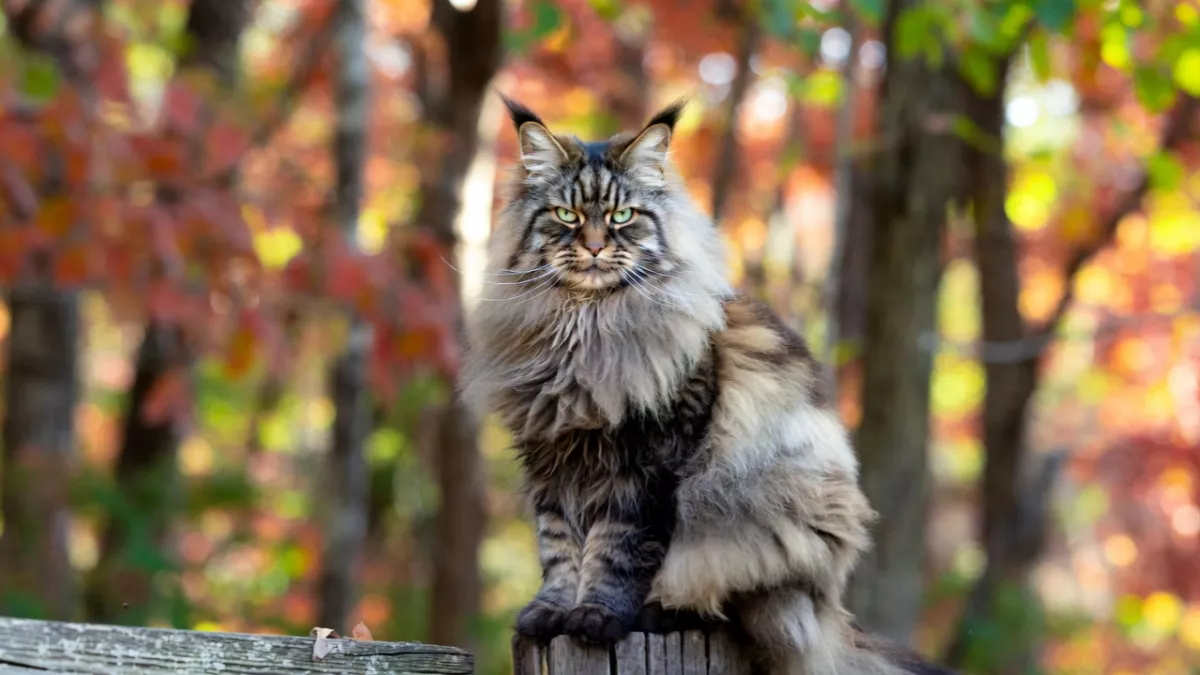
The short answer is: The Maine Coon is the largest domesticated cat breed, famous for its rugged appearance, tufted ears, and bushy tail. Often called the “dogs of the cat world,” they are highly intelligent, friendly, and known for their unique fascination with water. They are excellent family pets that thrive on interaction.
History: The American Legend
The Maine Coon is the only longhair breed native to the United States. Originating in the state of Maine (where they are the official state cat), these cats were built to survive harsh New England winters.
That explains their massive paws, which act like snowshoes, and their thick, water-resistant coats.
There is a funny myth that they are part raccoon (genetically impossible!), but the truth is they were likely ship cats brought over by early settlers that evolved into the rugged giants we know today.
The “Dog-Like” Personality
Here is the deal: If you want a lap cat that sleeps 20 hours a day, look elsewhere.
Maine Coons are famous for being “dog-like.” They don’t just tolerate you; they want to be with you. They will follow you from room to room, supervise your cooking, and yes, many of them actually play fetch.
Imagine this scenario:
You turn on the faucet to brush your teeth. Instead of running away from the water, your Maine Coon jumps onto the counter and starts batting at the stream with its paw.
They are goofy, playful, and incredibly vocal. But they don’t meow—they chirp and trill.
Maine Coon Breed Profile Stats
Before bringing one home, you need to understand the sheer scale of this animal.
| Characteristic | Details |
|---|---|
| Average Weight (Male) | 18 – 25 lbs (Some reach 30 lbs!) |
| Average Weight (Female) | 10 – 15 lbs |
| Lifespan | 12 – 15 years |
| Eye Color | Gold, Green, Copper (Odd-eyes exist too) |
| Coat Type | Heavy, shaggy, water-resistant |
| Activity Level | High (Playful and curious) |
Size & Appearance: How Big Do They Get?
We cannot talk about this breed without discussing their size. They are massive.
No Maine Coon breed profile is complete without highlighting their potential to reach record-breaking sizes.
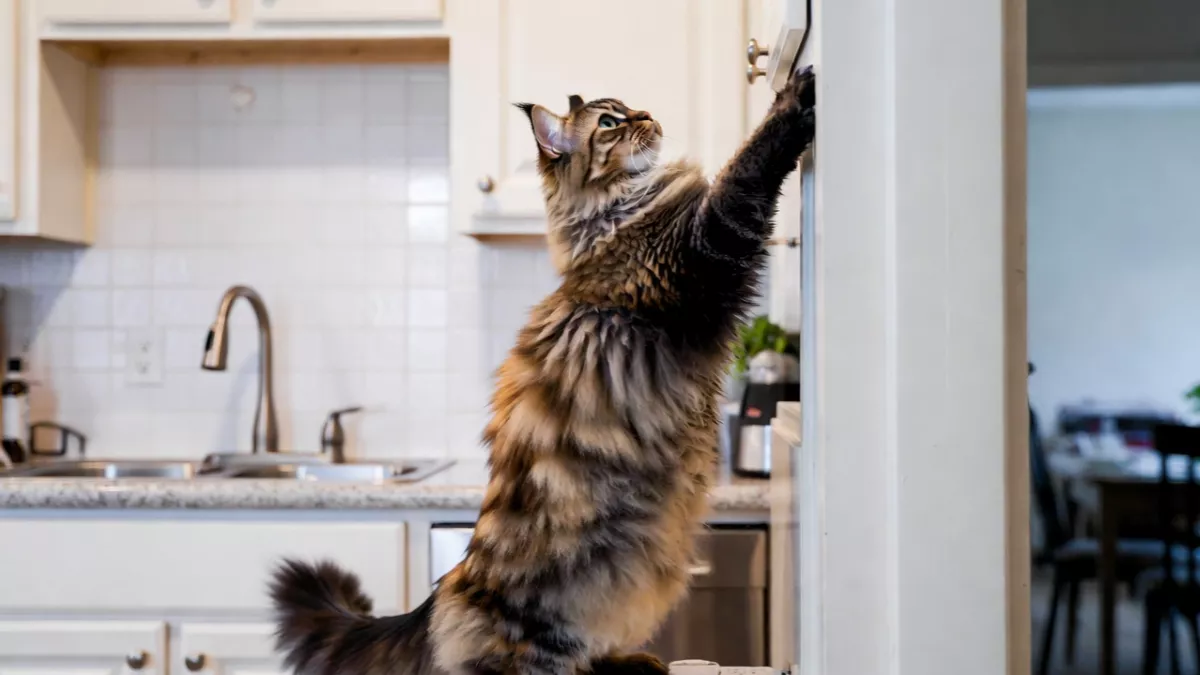
But it isn’t just about weight; it is about length. A Maine Coon can stretch nearly 40 inches from nose to tail. Standing on their hind legs, they can easily reach door handles and counter tops.
Think about it: A male Maine Coon can weigh twice as much as a standard house cat.
If you are trying to decide between the two biggest breeds in the world, the size difference is noticeable. While Ragdolls are heavy, Maine Coons are generally taller and longer.
Care & Grooming (The Fluff Factor)
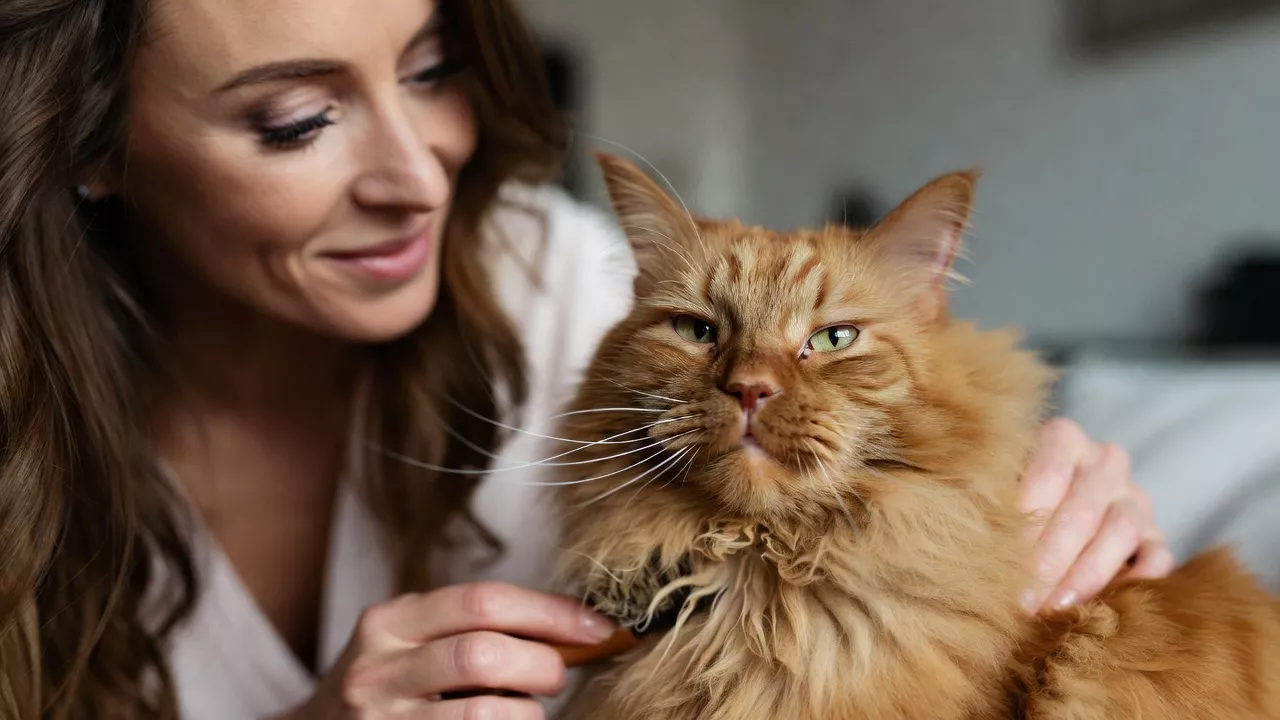
Unlike the silky coat of the Ragdoll Cat, the Maine Coon has a shaggy, uneven coat designed to repel water and snow.
This means they require a bit more work.
- Brushing: You need to brush them 2-3 times a week to prevent mats, especially in their thick neck ruff and “britches” (the fur on their back legs).
- Nail Trimming: Because their paws are huge, their claws are formidable. Keep them trimmed.
- Space: These cats need room to run. A small apartment can work, but a large cat tree is non-negotiable.
Health and Lifespan
Generally, these are hardy cats (“barn cats” at heart). However, their large size brings specific risks.
- Hypertrophic Cardiomyopathy (HCM): The most common heart disease in cats.
- Hip Dysplasia: Because they are so heavy, their hip joints can suffer. This is rare in normal cats but common in Maine Coons.
- Spinal Muscular Atrophy (SMA): A genetic disease that affects skeletal muscles.
Pro Tip: Always ask your breeder for proof of genetic testing for HCM and SMA.
Maine Coon FAQs
Expect to pay between $1,500 and $4,000+ for a healthy kitten from a certified breeder. Rare colors (like Smoke) and “Polydactyl” (extra toes) kittens often cost more.
Actually, yes—sometimes. Because their fur is water-resistant, it can get greasy. Luckily, many Maine Coons enjoy water and tolerate baths better than other breeds.
Absolutely. They are famous for being patient and tolerant. They will often let children carry them around (if the child is strong enough to lift them!).
Final Thoughts
The Maine Coon is more than just a pet; it is a presence. They fill a room with their size and their personality. If you want a “wild” looking cat that acts like a loyal dog, the American Legend is the perfect choice for you.
We hope this complete Maine Coon breed profile has given you all the confidence you need to welcome a gentle giant into your home.”
Do you have a gentle giant at home? Tell us about their weirdest quirks in the comments below!

Editor-in-Chief & Breed Specialist. With deep respect for TICA and CFA standards, Sophie specializes in “Gentle Giants”—Maine Coons and Ragdolls—helping you understand exactly why your cat behaves the way it does.
