
We’ve all been there—you’re enjoying a snack, and your Maine Coon or Ragdoll stares at your plate. While it is tempting to share a morsel, many owners unknowingly offer human foods poison for cats that can lead to serious health issues. Before we dive into the list, safety comes first.
IMPORTANT VETERINARY DISCLAIMER:
The content provided in this article is for informational purposes only and does not constitute professional veterinary advice. We are cat enthusiasts, not licensed veterinarians.
Is this an emergency?
If you suspect your cat has ingested a toxic substance, STOP READING and contact your veterinarian or the ASPCA Animal Poison Control Center immediately at (888) 426-4435. Do not wait for symptoms to appear.
However, many items in our pantry that we consider healthy are actually human foods considered poison for cats, capable of causing everything from mild upset to fatal organ failure.
Because large breeds often have specific heart and kidney considerations, being vigilant about what they ingest is not just good parenting—it is a necessity.
The “Short Answer”
Many common kitchen staples are toxic to felines. The top 5 human foods poison for cats include onions and garlic (which destroy red blood cells), chocolate and caffeine (causing heart tremors), grapes and raisins (leading to kidney failure), alcohol, and the sugar-substitute xylitol. If ingestion occurs, contact a vet immediately.
Toxicity Comparison: The Kitchen Danger Zone
| The Food Hazard | Danger Level | Potential Impact | Emma’s Advice |
|---|---|---|---|
| Onions & Garlic | Severe | Red Blood Cell Damage | Keep off the counter |
| Grapes & Raisins | Critical | Acute Kidney Failure | Zero tolerance policy |
| Chocolate | High | Heart & Nervous System | Store in high cabinets |
| Xylitol (Gum/PB) | Extreme | Liver Failure & Seizures | Check every label |
| Alcohol / Dough | Severe | Ethanol Poisoning | Immediate vet call |
1. The Allium Family: Onions, Garlic, and Chives
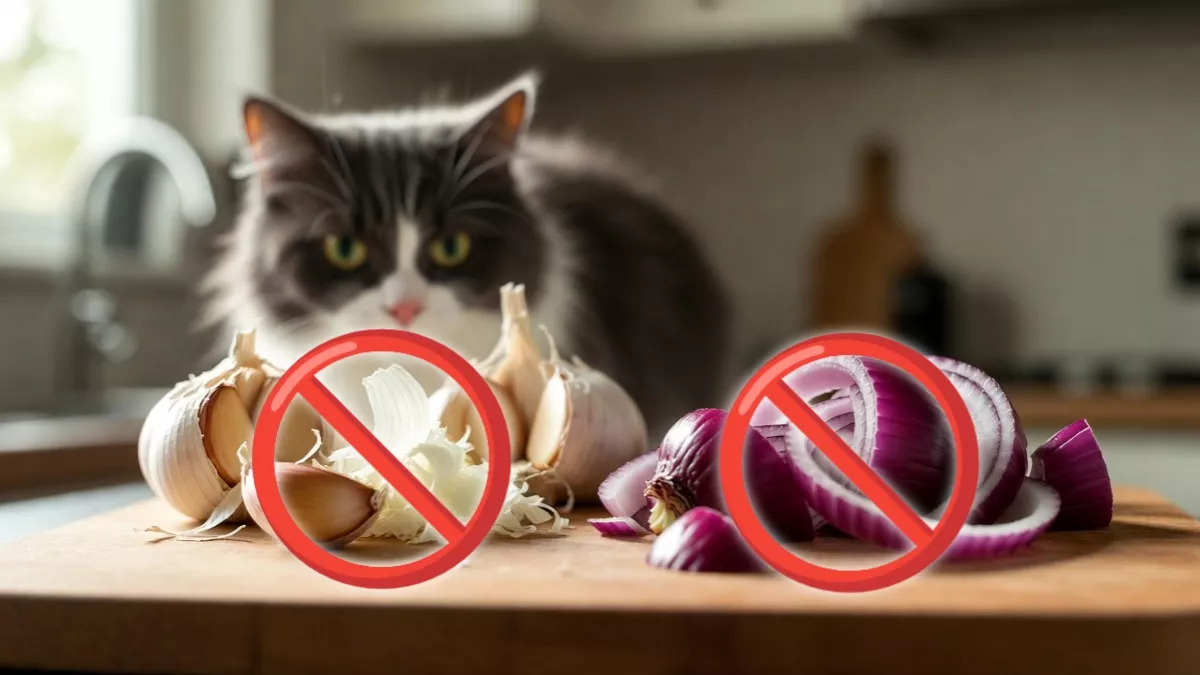
Whether powdered, raw, or cooked, these are among the most dangerous human foods poison for cats. They contain thiosulphate, which causes oxidative damage to red blood cells, leading to hemolytic anemia. For a large Maine Coon, even a small amount of garlic powder in your leftover pizza crust can be problematic over time.
Best Food for Maine Coon Cats: Fueling Your Gentle Giant
2. Grapes and Raisins
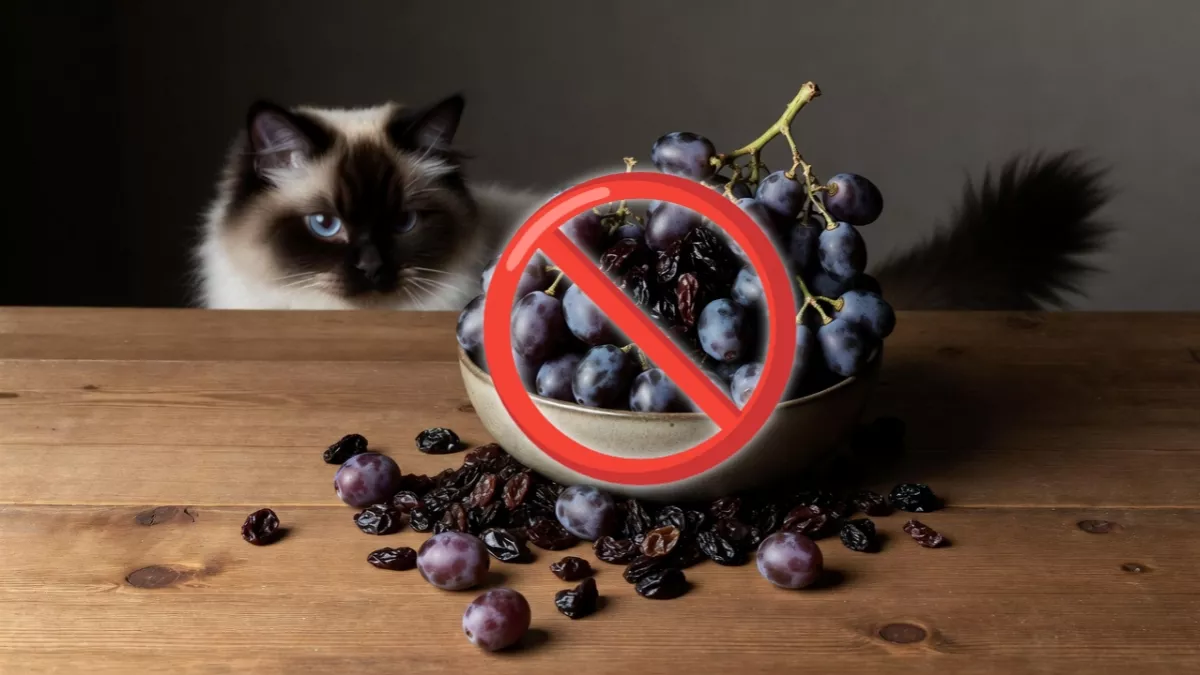
The exact toxin remains a bit of a mystery, but the result is clear: acute kidney failure. Some cats can eat one and be fine, while another might suffer total renal shutdown from a single raisin. Given that Ragdolls can sometimes be prone to kidney issues, this is a non-negotiable “no.”
The Best Dry Food for Ragdoll Cats: Nutrition Guide for Fluffy Giants
3. Chocolate and Caffeinated Drinks
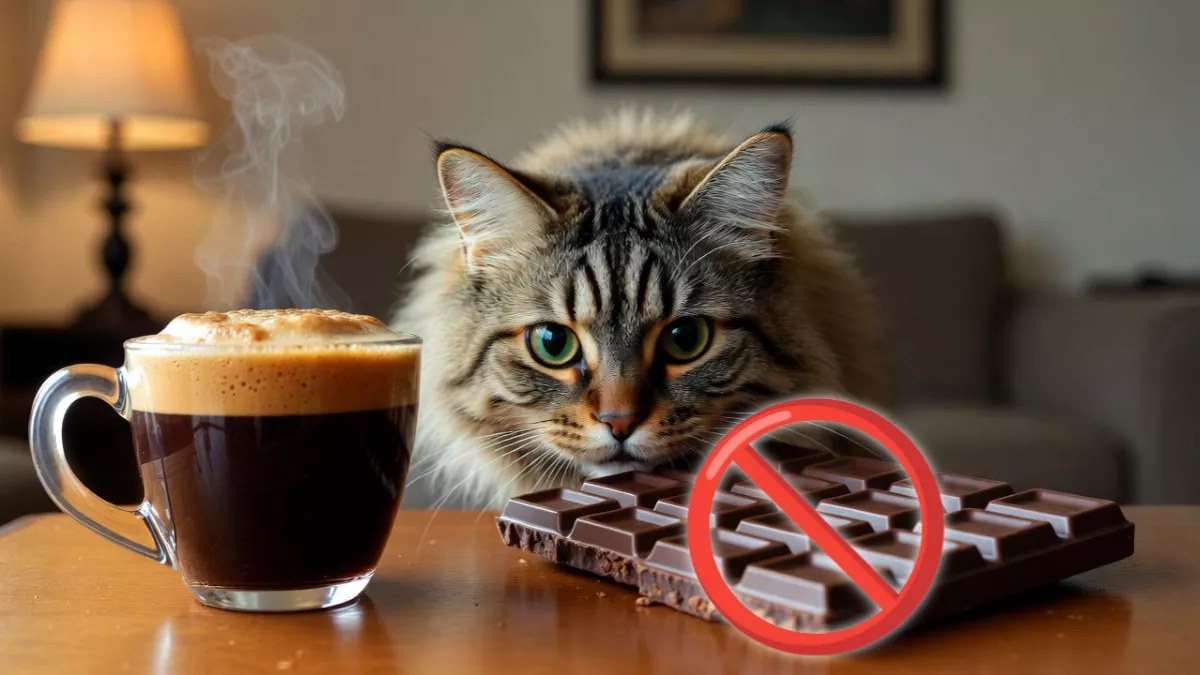
Chocolate contains theobromine and caffeine. These methylxanthines are stimulants that cats cannot metabolize. They cause tremors, increased heart rate, and seizures. Darker chocolate is significantly more dangerous than milk chocolate due to higher concentrations.
4. Xylitol: The Hidden Killer
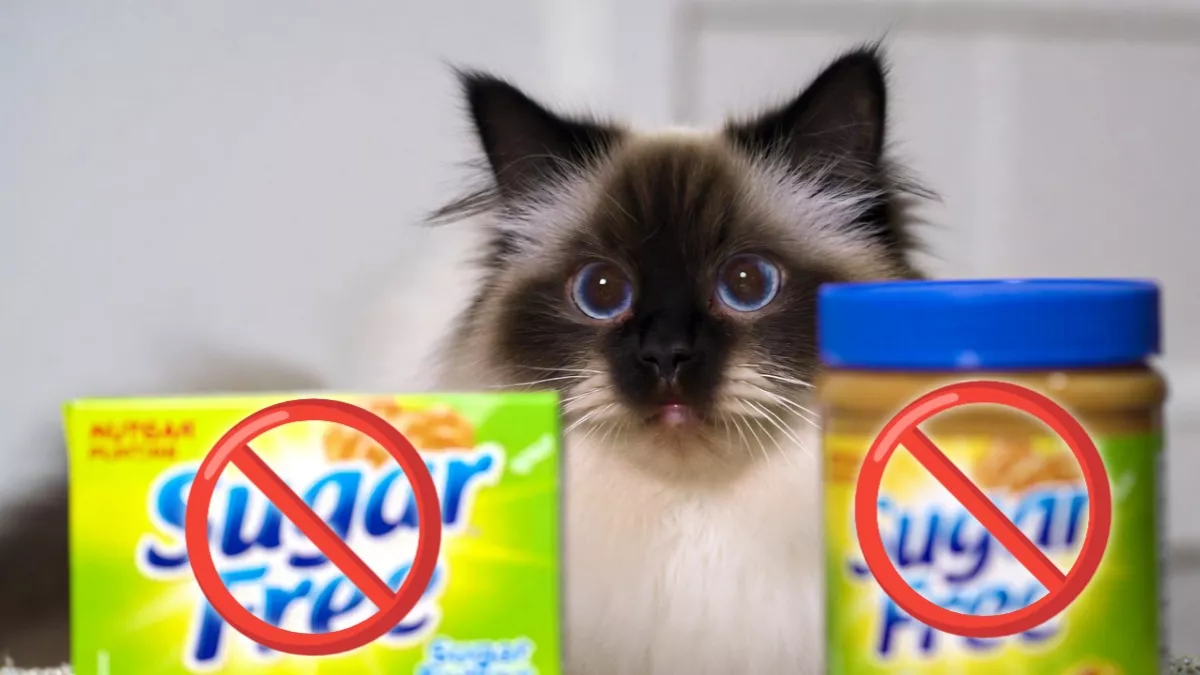
Found in sugar-free gum, some peanut butters, and candies, Xylitol causes a massive insulin surge in cats. This leads to a life-threatening drop in blood sugar (hypoglycemia) and eventual liver failure. Always check your peanut butter labels before letting your cat lick the spoon!
5. Alcohol and Raw Dough
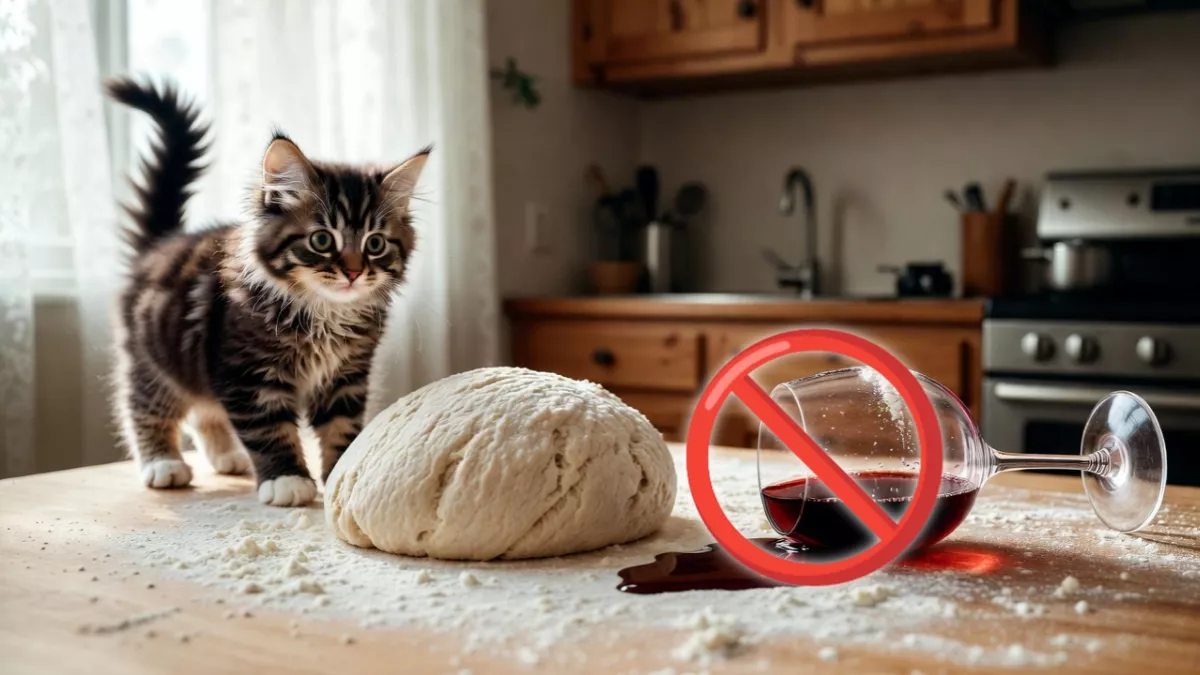
It sounds obvious, but even a few licks of a spilled cocktail can cause alcohol poisoning in a cat. Similarly, raw yeast dough can expand in a cat’s warm stomach, causing bloating and producing ethanol as a byproduct of fermentation.
Expert Advice: What to do in an Emergency
If you suspect your cat has ingested any human foods poison for cats, do not wait for symptoms to appear. Clinical signs like vomiting, lethargy, or rapid breathing often mean the damage is already underway.
According to the ASPCA Animal Poison Control Center, immediate intervention is the key to survival. Keep their number (888-426-4435) saved in your phone. For owners of premium breeds, I always recommend having a “cat first aid kit” that includes your vet’s emergency hours and a list of these toxins taped to the fridge.
FREQUENTLY ASKED QUESTIONS (FAQ)
Can cats eat a little bit of cheese?
While not “poisonous,” most adult cats are lactose intolerant. A tiny cube of hard cheese might be okay as a rare treat, but it often leads to diarrhea and gas.
My cat licked a piece of garlic bread, should I panic?
Monitor them closely. A tiny lick may only cause mild stomach upset, but look for pale gums or lethargy over the next 24 hours, which could indicate anemia.
Are there any safe human foods for cats?
Yes! Plain, cooked chicken (no seasoning), steamed carrots, or a tiny bit of plain canned pumpkin are generally safe and even healthy additions to their diet.
Emma’s Final Verdict
The safest path is to stick to high-quality feline nutrition specifically formulated for your breed’s size and energy needs. While those “begging eyes” are hard to resist, protecting their long-term health is the ultimate treat. Keep your pantry locked and your counters clear.
What’s the one human food your cat always tries to steal? Let me know in the comments below!

Head of Health Research & Nutrition Specialist
Emma specializes in feline nutrition and safety standards. Her role is to vet the science behind every article, ensuring you get advice that is not just engaging, but medically sound and 100% safe for your Maine Coon or Ragdoll.
