
Are Maine Coons and Ragdolls aggressive? This is a common worry for new owners. If you’ve spent any time reading our Maine Coon Breed Profile Guide or falling in love with the floppy nature described in our Ragdoll Cat Breed Profile Guide, you know these cats have a reputation. They are the “gentle giants” and “puppy cats” of the feline world—famous for their docile, loving temperaments.
But what happens when your sweet fluffball suddenly hisses, swats, or bites?
It can be shocking when a cat known for being laid-back acts out. As a cat lover who has spent years analyzing these breeds, I can tell you: Aggression in Maine Coons and Ragdolls is rare, but it is not impossible. Usually, it’s a sign that something else is wrong.
Let’s dive into why your gentle giant might be acting tough and how to handle it.
Quick Answer: Are They Aggressive?
No, Maine Coons and Ragdolls are not inherently aggressive breeds. Both are famous for their gentle, docile, and affectionate temperaments. However, occasional biting or scratching can occur due to overstimulation, pain, or play aggression. If your gentle giant is acting out, they are likely trying to communicate discomfort rather than anger.
The “Gentle Giant” Myth: Are Maine Coons and Ragdolls Aggressive?
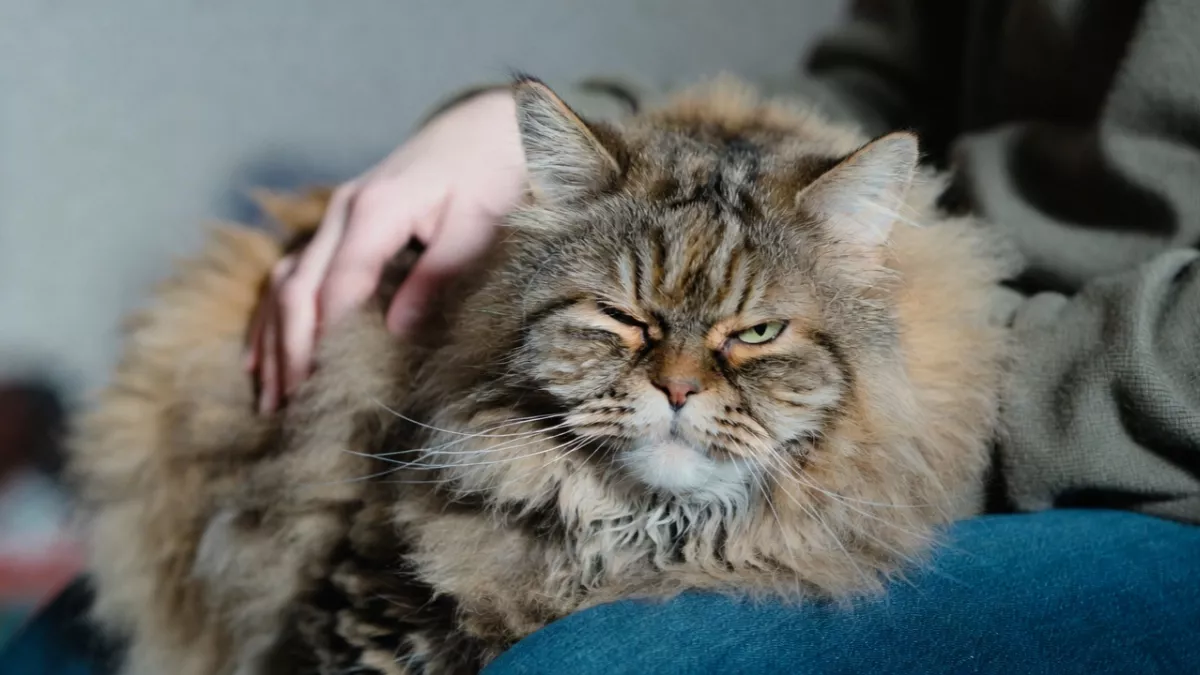
First, let’s clear the air. Neither Maine Coons nor Ragdolls are inherently aggressive breeds. In fact, in our detailed Maine Coon vs Ragdoll comparison, we highlight that both breeds are top-tier choices for families specifically because of their patience and low aggression levels.
However, “gentle” does not mean “stuffed animal.” They are still animals with instincts, boundaries, and needs. When those boundaries are crossed, even the sweetest Ragdoll can snap.
Why Is My Cat Biting or Scratching? (Common Triggers)
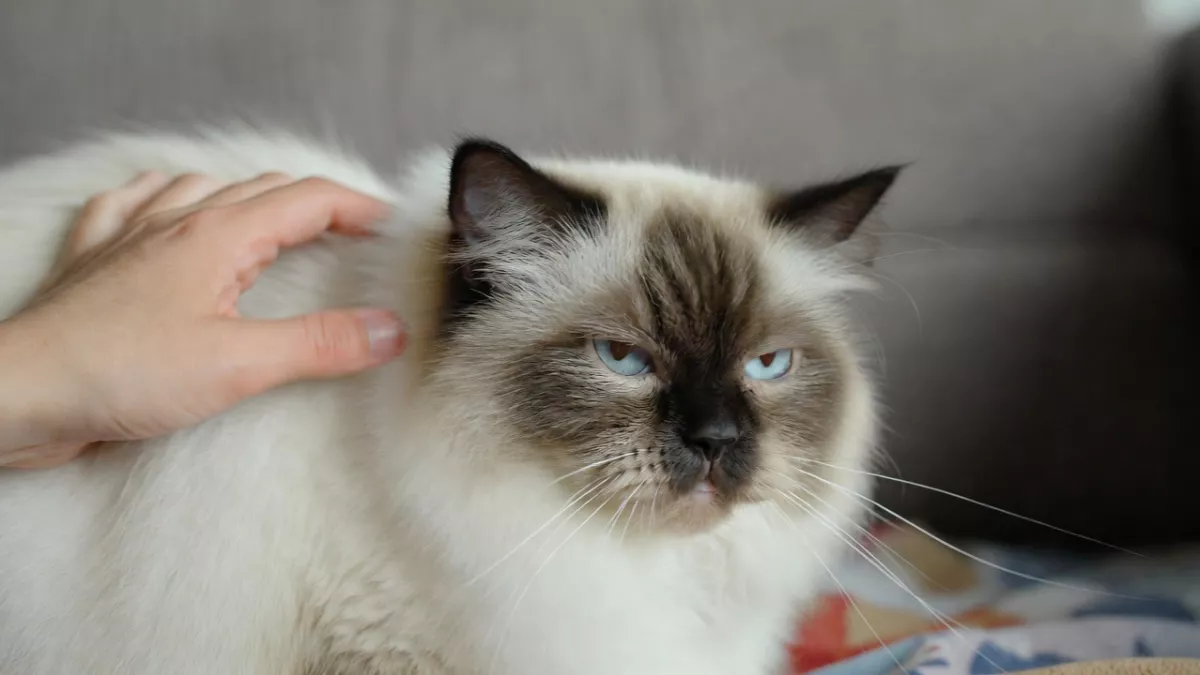
If your cat is acting aggressively, they are trying to communicate. Here are the most common reasons:
1. Overstimulation (Petting Aggression)
You’re petting them, they’re purring, and suddenly—CHOMP. This is overstimulation. Maine Coons, despite their size, can be sensitive. If you ignore the twitching tail or the ears turning back, they may bite to say, “That’s enough.”
2. Pain or Illness
This is the #1 reason for sudden aggression in older cats. If your usually cuddly cat growls when you pick them up, they might be in pain. Issues like arthritis (common in large breeds—check our Maine Coon Growth Chart to see how big they get!) or dental issues could be the culprit.
3. “Hangry” Cats (Food Aggression)
Is the aggression happening around mealtime? While less common in Ragdolls, food aggression can occur if a cat feels insecure about their resources.
- Ensure they are getting the right nutrition. Check out our Best Food for Maine Coon Cats Diet Guide to ensure they are feeling full and satisfied.
- For Ragdolls, ensure their specific dietary needs are met with the Best Dry Food for Ragdoll Cats.
4. Play Aggression (The Hunter Instinct)
Maine Coons retain a strong hunting instinct. If they don’t have toys to “kill,” your ankles might become the target. This is often mistaken for anger, but it’s really just misplaced energy.
At a Glance: Maine Coon vs. Ragdoll Behavior
| Key Factor | Maine Coon (The Gentle Giant) | Ragdoll (The Puppy Cat) |
|---|---|---|
| Typical Temperament | Social, goofy, and high-energy. | Calm, floppy, and very tolerant. |
| Most Common Trigger | Play Aggression: Boredom leads to attacking ankles or hands. | Overstimulation: Being held too long or petted in sensitive spots. |
| Biting Style | Often gives a warning “chirp” or trill before swatting. | Usually passive; bites are a last resort if they feel trapped. |
| Best Solution | Redirect Energy: Use wand toys to burn off hunting instincts. | Respect Boundaries: Stop petting immediately if the tail starts twitching. |
Maine Coon vs. Ragdoll: Who is Feistier?
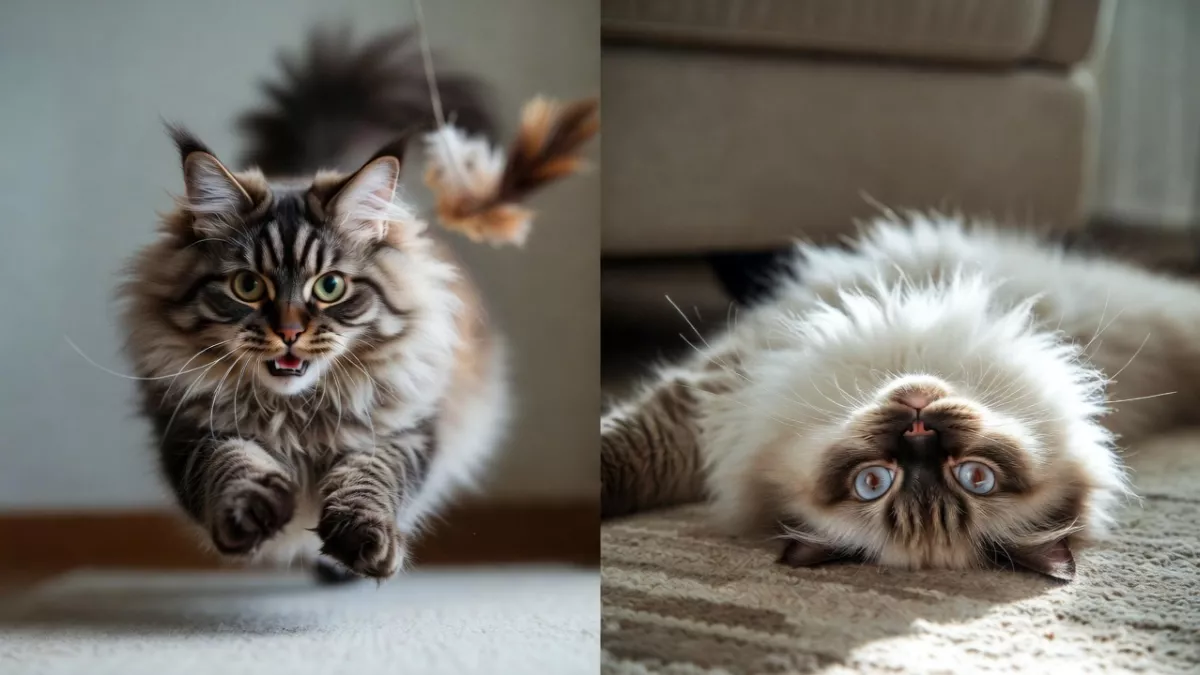
While both are gentle, they express displeasure differently:
- Maine Coons: They are vocal and communicative. They will often give you a warning “trill” or chirp before swatting. They are more likely to exhibit play aggression because of their high energy.
- Ragdolls: They are more passive. A Ragdoll is more likely to run and hide than to fight. However, because they are so floppy and tolerant, owners sometimes accidentally hurt them (like stepping on a tail), which can cause a defensive scratch.
(Curious about the other differences? Read more in our full Maine Coon vs Ragdoll breakdown.)
How to Handle Bites and Scratches
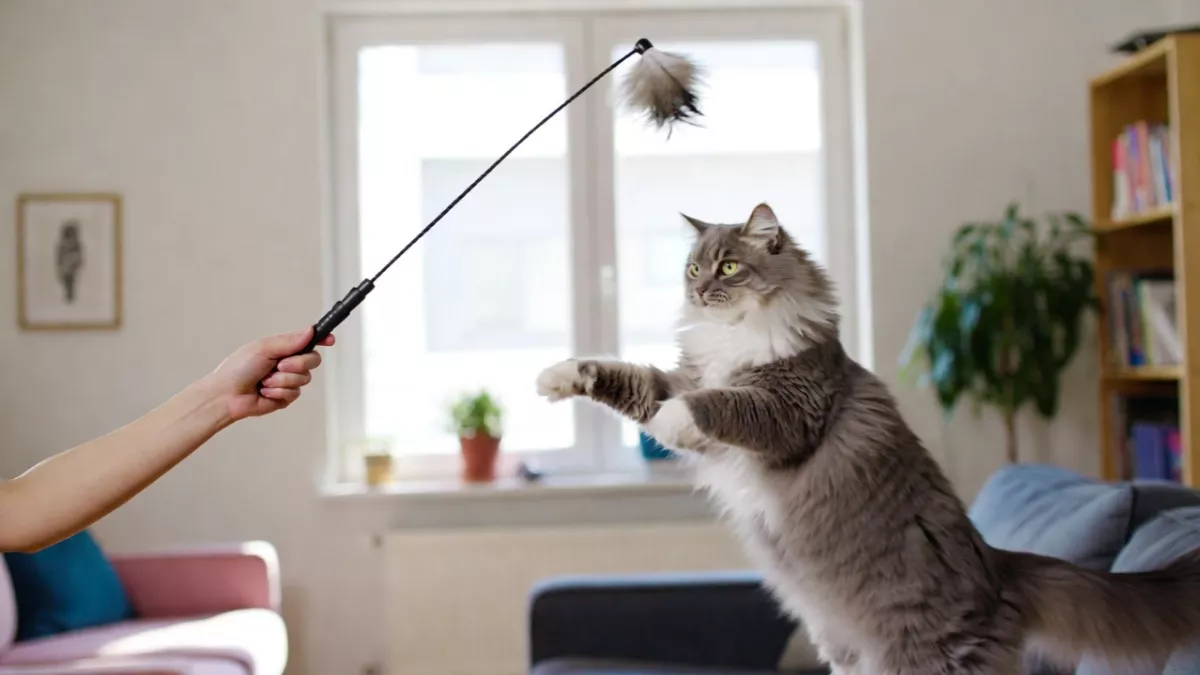
If you are dealing with a spicy kitty, here is how to de-escalate:
- Stop Moving: If they bite your hand, do not yank it away (this triggers the prey drive). Go limp. They will usually let go.
- Redirect: Use a wand toy to direct that energy away from your skin.
- Check the Diet: Are they getting enough protein? Sometimes adding variety, like we discuss in Can Ragdolls Eat Raw Meat?, can help settle their energy levels.
- Time Out: Calmly remove yourself from the room. Do not yell; it only adds to the stress.
The Verdict
Are Maine Coons and Ragdolls aggressive? Generally, no.
If your cat is biting, they aren’t “bad.” They are likely bored, in pain, or overstimulated. By understanding their body language and ensuring their physical needs are met—from their growth milestones to their diet—you can bring back the purring lap cat you know and love.
Author’s Note: Always consult a vet if your cat shows sudden, unexplained aggression. It is often the only way they can tell us they hurt.
Frequently Asked Questions About Cat Aggression
Why does my Maine Coon attack my feet when I walk?
This is classic “play aggression.” Maine Coons retain strong hunting instincts. To them, your moving feet look like prey. To stop this, never wiggle your feet under blankets to tease them, and schedule 15 minutes of intense play with a feather wand twice a day to burn off that hunter energy.
Are female Ragdolls more aggressive than males?
No, gender plays a very small role in aggression for this breed. While unneutered males can be territorial, spayed females and neutered males of both breeds are equally gentle. Aggression is usually tied to individual personality or pain, not gender.
My Ragdoll hisses when I pick him up. Is this normal?
No, this is not normal behavior for a Ragdoll. Ragdolls are famous for going limp when held. If your cat hisses or growls when lifted, it is a major red flag for pain (such as arthritis or an internal injury). Please consult a vet immediately.
How do I tell if my cat is playing or fighting?
Look at the claws and sound. In play, claws are often sheathed, ears are forward, and there is no growling. In a real fight or aggressive episode, ears are pinned back flat, fur is puffed up, and you will hear hissing, spitting, or deep growling.
Can I discipline my cat for biting?
You should never physically punish a cat. Hitting or yelling only increases fear and can make aggression worse. The best discipline is a “time out”—calmly walk away and ignore the cat for 10 minutes. This teaches them that biting makes their favorite person (you) disappear.

Editor-in-Chief & Breed Specialist. With deep respect for TICA and CFA standards, Sophie specializes in “Gentle Giants”—Maine Coons and Ragdolls—helping you understand exactly why your cat behaves the way it does.
