
Let’s be real for a second—there is nothing scarier for a new cat parent than a kitten with a constantly upset tummy.
You bring home this gorgeous, giant ball of fluff, expecting purrs and playtime. Instead, you’re dealing with runny poop, vomiting, or a kitten who just refuses to eat. I’ve been there, and I know how stressful it is. You worry about their growth, their hydration, and frankly, your carpets.
Maine Coons are different. They aren’t just “regular cats.” They are the gentle giants of the cat world, and they have massive growth spurts that require serious fuel. But here’s the catch: their digestive systems are often incredibly sensitive during this rapid growth phase.
If you’re struggling to find a meal that stays down, you aren’t alone. In this guide, I’m sharing the best foods specifically tested for Maine Coon kittens with sensitive stomachs, so your little lion can get back to growing big and strong.
Why Is My Maine Coon Kitten’s Stomach So Sensitive?
Before we look at the brands, we need to understand why this is happening. Maine Coons grow until they are 3 to 4 years old. That’s a marathon compared to other breeds.
To support this size, they need a lot of calories and protein. However, many commercial kitten foods are packed with “fillers” like corn, wheat, or soy to bulk up the calories cheaply. These ingredients are hard for a wild obligate carnivore (your kitten) to break down.
Also, keep in mind that a sensitive stomach can sometimes impact their weight gain. It’s a good idea to keep track of their progress using our Maine Coon Growth Chart to make sure they aren’t falling behind the curve due to digestive issues.
The “Safe Tummy” Checklist: Ingredients to Watch
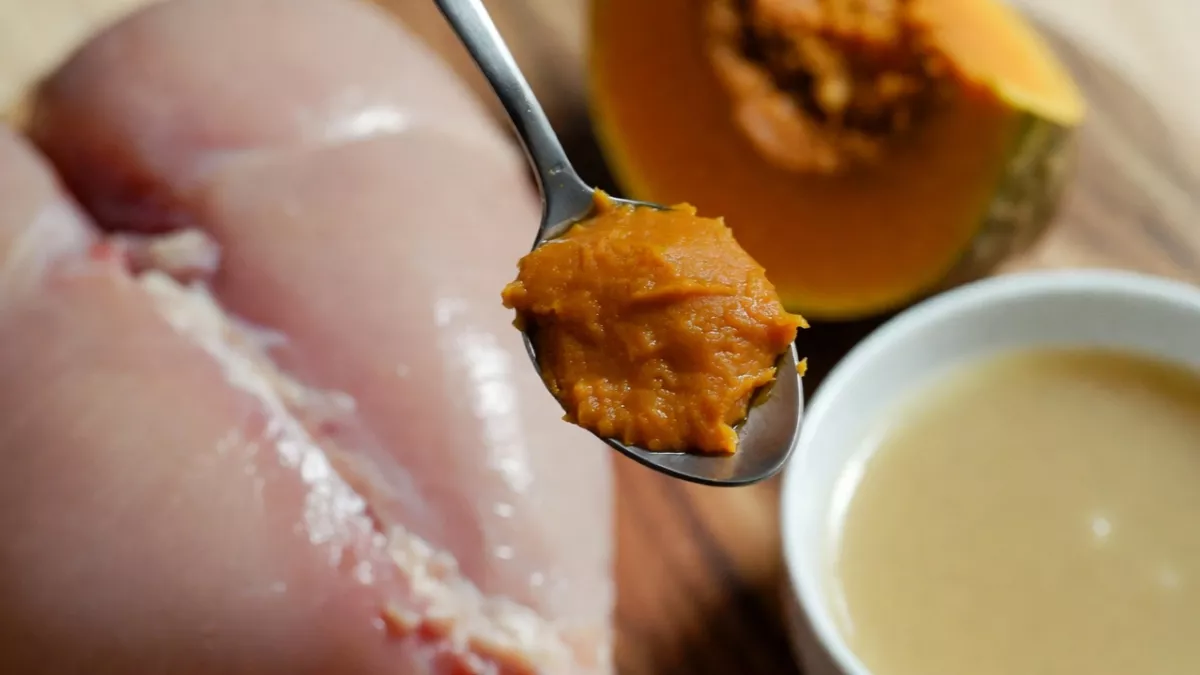
When scanning labels at the pet store, don’t get distracted by the pretty pictures of wild salmon on the bag. Flip it over and look at the first 3 ingredients.
Here is my quick “Cheat Sheet” for sensitive tummies:
| Look For (The Good Stuff) | Avoid ( The Triggers) |
|---|---|
| Novel Proteins: Duck, Rabbit, or Lamb (if Chicken is the trigger). | By-Product Meals: This is often “mystery meat” that varies by batch. |
| Easily Digestible Carbs: Pumpkin or Sweet Potato. | Heavy Grains: Corn, Wheat, and Soy are common allergens. |
| Probiotics: Essential for gut health flora. | Artificial Colors: Red 40 or Yellow 5 (totally unnecessary). |
| High Moisture: Broths or gravy. | Dairy: Most kittens lose the ability to process lactose quickly. |
Emma’s Note: Be very careful with human scraps. While plain chicken is okay, many table foods are toxic. Check our guide on Human Foods Poisonous for Cats before sharing your dinner.
Top Picks for Sensitive Maine Coon Kittens (2026 Reviews)
1. Smalls Human-Grade Fresh Food (Best Overall)
If you can afford it, fresh food is often the “cure-all” for tummy issues. It’s basically real meat, gently cooked. No fillers, no hard-to-digest kibble binders.
- Why I Love It: It has high water content and uses single-source protein.
- Best For: Kittens with severe sensitivity or allergies.
2. Royal Canin Maine Coon Kitten Dry Food
This is the classic breeder recommendation. While it has some grains, the kibble size is specifically designed for their big square jaws, encouraging chewing (which aids digestion).
- Why I Love It: It includes prebiotics specifically for gut flora balance.
- Best For: Owners who want a breed-specific formula.
- Related: If you prefer dry kibble, check our full list of Maine Coon Dry Foods.
3. Blue Buffalo Basics Skin & Stomach Care (Kitten)
This is a “Limited Ingredient Diet” (LID). It usually relies on Turkey and Potato, stripping away chicken, beef, dairy, eggs, and grains.
- Why I Love It: Fewer ingredients mean fewer chances of an allergic reaction.
- Best For: Kittens with unidentified food allergies.
Wet vs. Dry: Which is Better for Digestion?
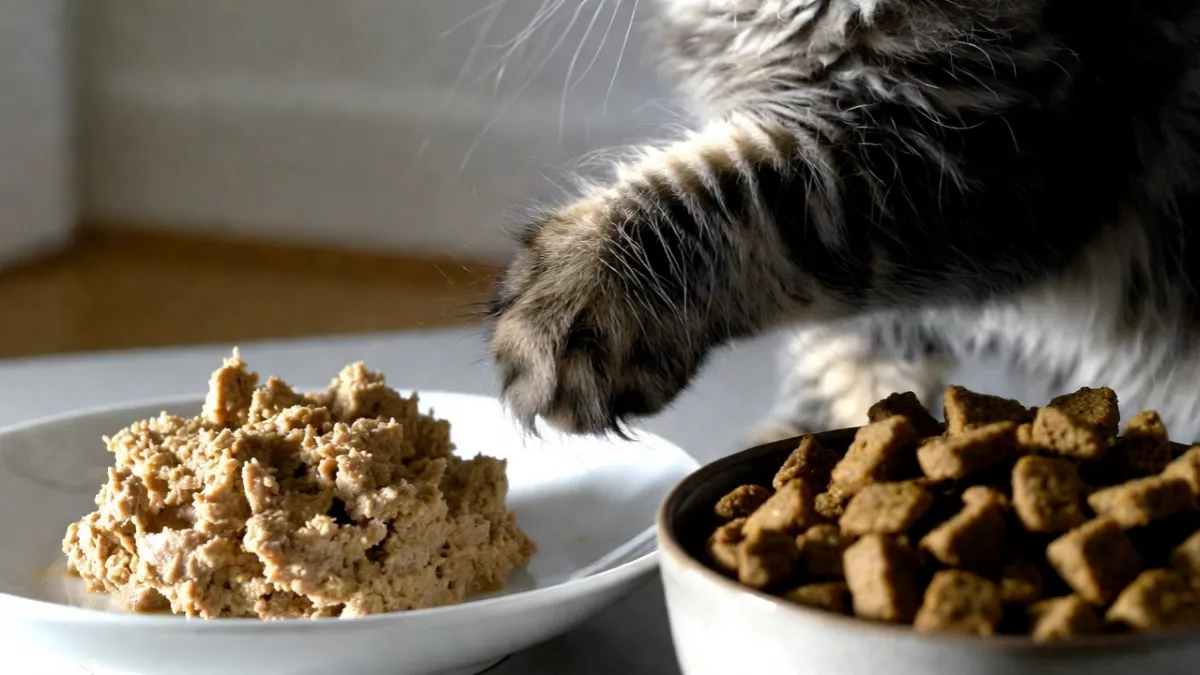
This is the eternal debate. For a sensitive stomach, Wet Food is usually the winner.
Why? Because dry food requires the body to provide moisture to break it down. Wet food comes pre-hydrated, making it much less work for the digestive system. Plus, hydration is critical if your kitten has had diarrhea.
However, Maine Coons need huge calories. A 100% wet food diet can get very expensive and might not provide enough calories for a 15lb kitten.
My Strategy: Use a “Mix Feeding” approach. Use a high-quality dry food for grazing and calories, and a sensitive-stomach wet food morning and night for hydration. You can find more wet food options in our Best Wet Food for Maine Coons guide.
How to Switch Food Without Making It Worse
This is where most owners mess up (I’ve done it too!). You buy the fancy new food, pour a full bowl, and wait for the magic. instead, you get… a mess.
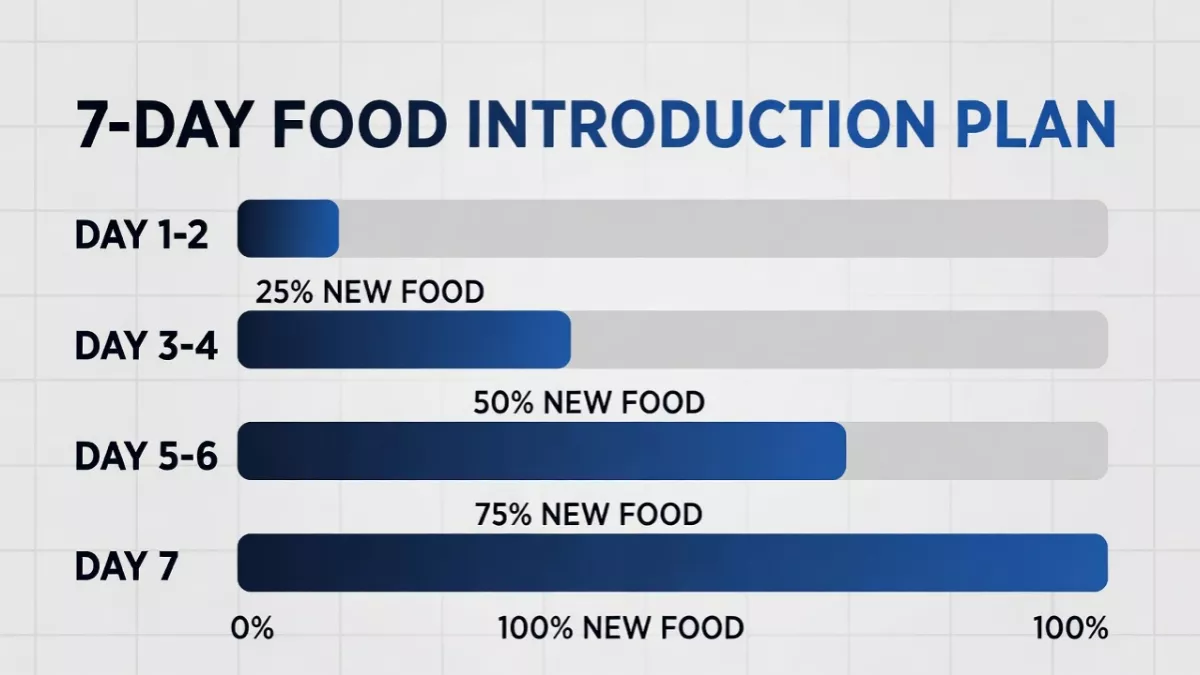
Their gut biome needs time to adapt. Follow the Rule of Quarters:
- Days 1-2: 25% New Food + 75% Old Food
- Days 3-4: 50% New Food + 50% Old Food
- Days 5-6: 75% New Food + 25% Old Food
- Day 7: 100% New Food
If at any point the “poop problems” return, go back to the previous step for a few more days. There is no rush.
Final Thoughts from Emma
Dealing with a Maine Coon kitten’s sensitive stomach is exhausting, but it’s usually temporary. Once you find that “magic brand” that agrees with their system, you’ll see their energy skyrocket and their coat get super shiny.
If your kitten is vomiting repeatedly, don’t wait. According to the Cornell Feline Health Center, chronic vomiting can lead to severe dehydration quickly.
Got a picky eater at home? Drop a comment below and let me know which food finally worked for your fluff-ball!

Head of Health Research & Nutrition Specialist
Emma specializes in feline nutrition and safety standards. Her role is to vet the science behind every article, ensuring you get advice that is not just engaging, but medically sound and 100% safe for your Maine Coon or Ragdoll.
