
Owning a Maine Coon is like living with a bottomless pit that purrs. You fill the bowl, turn around, and suddenly it is empty again.
If you are a new owner, you might be tempted to grab the biggest bag of generic kibble from the supermarket just to keep up with their appetite. But here is the reality: A Maine Coon is not a standard house cat.
Standard cat food is designed for a 10lb animal that sleeps 18 hours a day. Your Maine Coon is a 20lb athlete that is still growing. Think of it this way: You wouldn’t put regular unleaded gas in a high-performance sports car.
In this guide, we are focusing on “Fueling the Ferrari.” Finding the best food for Maine Coon cats isn’t just about stopping the hunger meows; it is about supporting their massive bone structure, heavy muscle mass, and long-term heart health.
Nutritional Needs: What Makes Them Different?
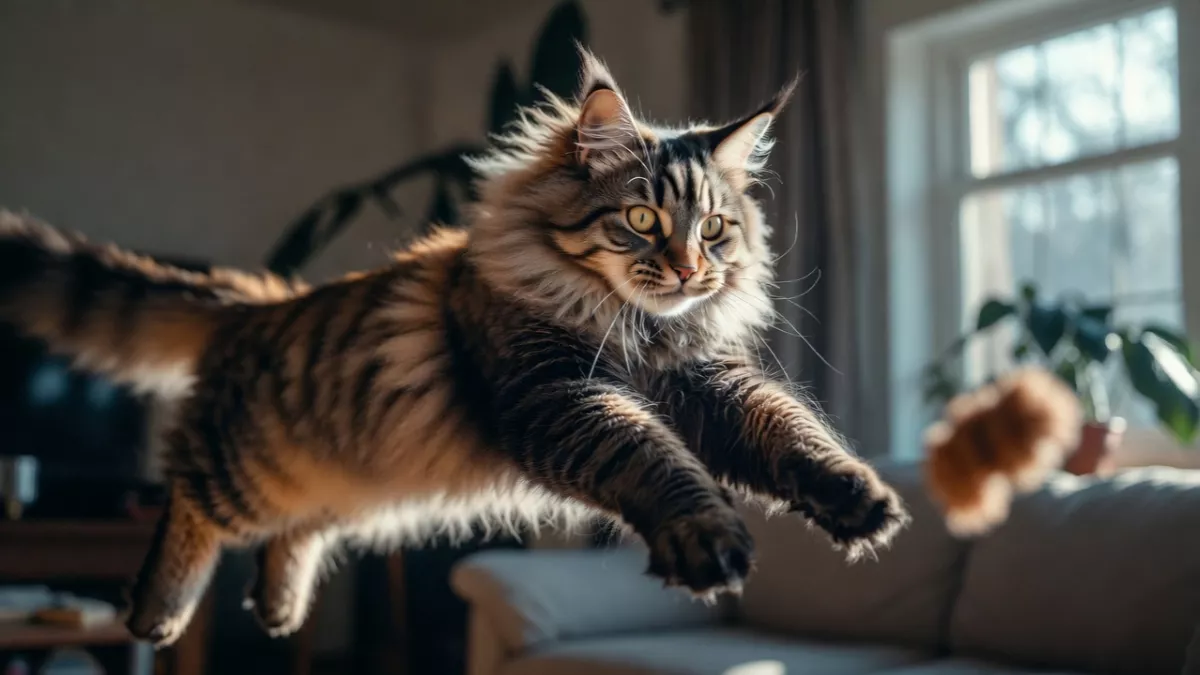
Before we look at brands or flavors, you need to understand the biology of your beast. Maine Coons have three specific requirements that average cats do not worry about as much.
1. Protein is King (The Muscle Builder)
Maine Coons are heavy, but they shouldn’t be fat. They are muscular powerhouses. To maintain that muscle mass, they require a high protein cat food.
- The Rule: Look for foods with a crude protein content above 30% (for dry food) or 10% (for wet food).
- The Source: The protein must come from real meat (Chicken, Turkey, Salmon), not plants. Cats cannot process plant protein as efficiently as animal protein.
2. Joint Support (The Heavy Load)
Imagine carrying around twice the weight of an average person every day. That is what your Maine Coon’s joints do. Because they are prone to Hip Dysplasia and Arthritis, their diet needs to be their defense.
- Look for: Glucosamine and Chondroitin. These are vital supplements often added to large-breed formulas to keep those big paws moving pain-free.
3. Taurine (The Heart Protector)
The Maine Coon breed has a genetic predisposition to Hypertrophic Cardiomyopath. (HCM), a heart condition. Taurine is an amino acid that is critical for heart muscle function. While all cat food has some taurine, you want to ensure your giant is getting plenty of it through high-quality meat sources.
| Nutrient | Ideal Target | Function |
|---|---|---|
| Protein | 30% – 45% | Builds heavy muscle mass |
| Fat | 15% – 25% | Concentrated energy source |
| Omega-3s | 0.5% Min | Supports coat and joints |
| Taurine | Essential | Critical for heart health |
The Great Debate: Dry vs. Wet Food
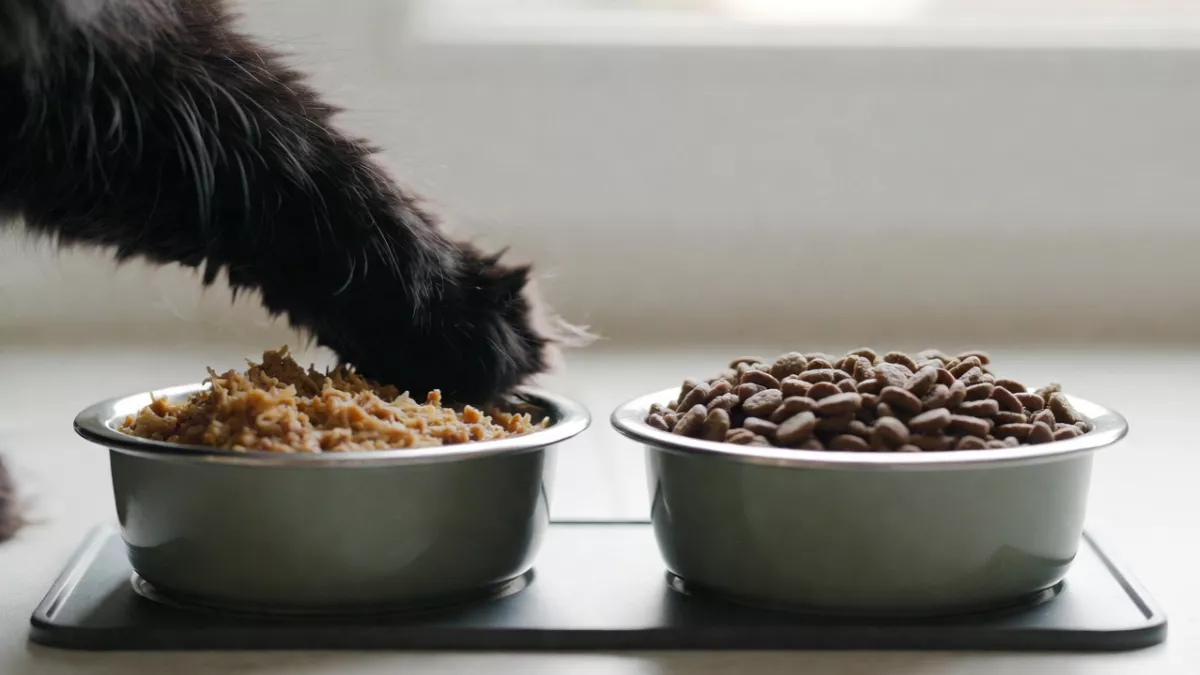
Go to any cat forum, and you will see a war between “Dry Food Only” and “Wet Food Only” owners. So, which is the best food for Maine Coon cats?
The answer is: Both.
The Pros of Dry Food (Kibble)
- Calorie Dense: Maine Coons need a lot of calories to grow. Dry food packs more energy per bite.
- Dental Health: The crunching action helps scrape plaque off their large teeth.
- Convenience: You can leave it out for “grazing” without it spoiling.
The Pros of Wet Food (Canned)
- Hydration: This is non-negotiable. Maine Coons are prone to kidney issues. Wet food is 70-80% water, which keeps their kidneys flushed and healthy.
- Protein Purity: Wet food usually has fewer “fillers” (carbs) and more meat.
Emma’s Recommendation: The “Hybrid Strategy”
Don’t choose one. Use the “Mix Method” for the best of both worlds.
- Morning & Night: Serve a portion of high-quality Wet Food. This ensures they get their hydration and a protein spike.
- All Day: Leave a measured amount of high-protein Dry Kibble out for grazing. This keeps their high metabolism fueled throughout the day.
Best Food for Maine Coon Kittens (0-12 Months)
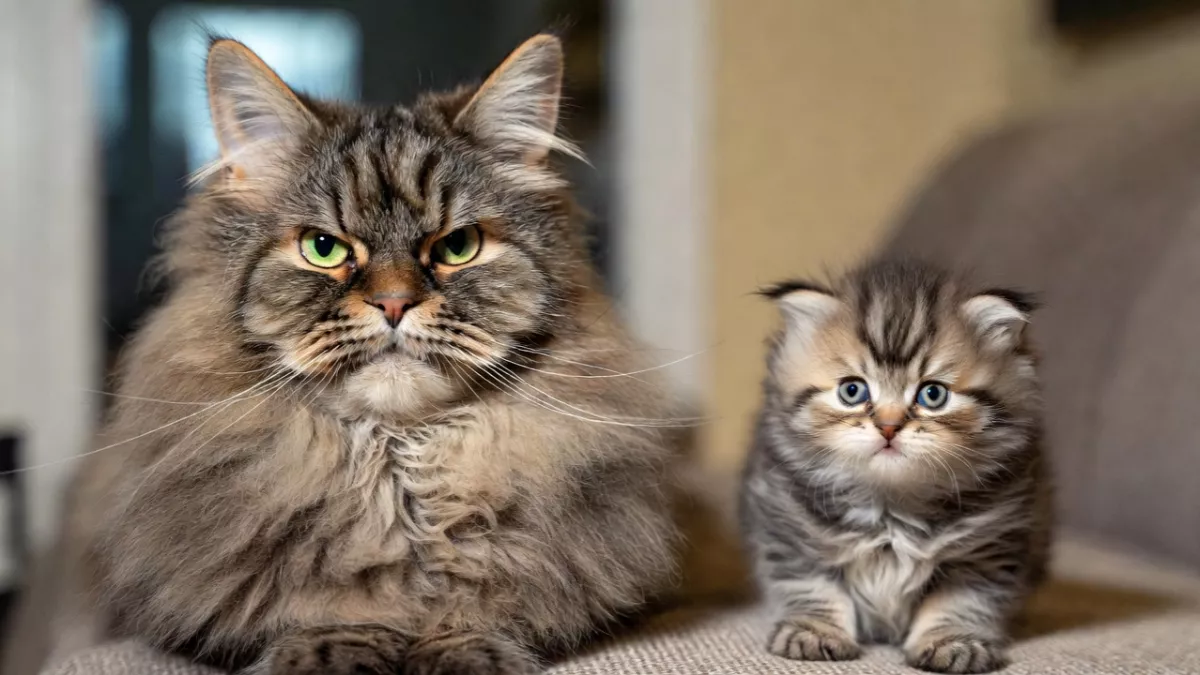
The first year is critical. As you can see in our Maine Coon Growth Chart, your kitten is going to explode in size. They are building the skeletal frame that will hold them for the rest of their lives.
Do NOT feed them adult food yet.
Kitten formulas are specifically designed with higher fat and higher calories to support this rapid growth.
- What to look for: A label that says “Formulated for Growth” or “Kitten.”
- Key Nutrient: DHA (Docosahexaenoic Acid). This is an omega-3 fatty acid found in mother’s milk that is essential for brain and vision development.
- The Texture: Maine Coon kittens have big jaws even at a young age. They can handle slightly larger kibble pieces than average kittens, but stick to nutrient-dense kitten chow until they are at least 12-15 months old.
Best Food for Adult Maine Coons (1-5 Years)
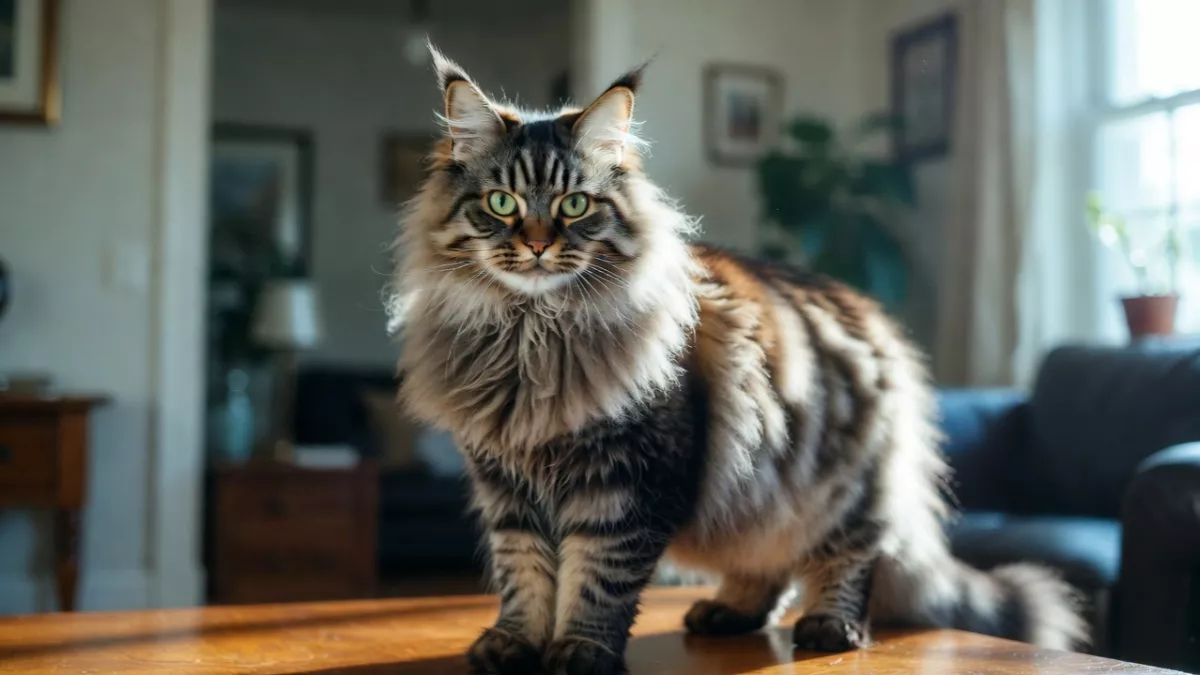
Once they pass the one-year mark, their vertical growth slows, but their “filling out” phase begins. This is when they pack on muscle.
However, this is also the danger zone for obesity. Because they are so large, it is hard to tell if they are “muscular” or just “fat.”
- The Shift: Switch to an “Adult” or “All Life Stages” formula.
- The Carb Trap: Avoid cheap foods filled with corn and wheat. Maine Coons do not need carbohydrates. Carbs turn into fat, not energy. If your cat looks like they are getting a bit too round, cut back on the dry food (which is higher in carbs) and increase the wet food.
You can learn more about their activity levels and energy needs in our Maine Coon Breed Profile to understand why protein is so much more important than carbs for this breed.
Top Ingredients to Look For (And Avoid)
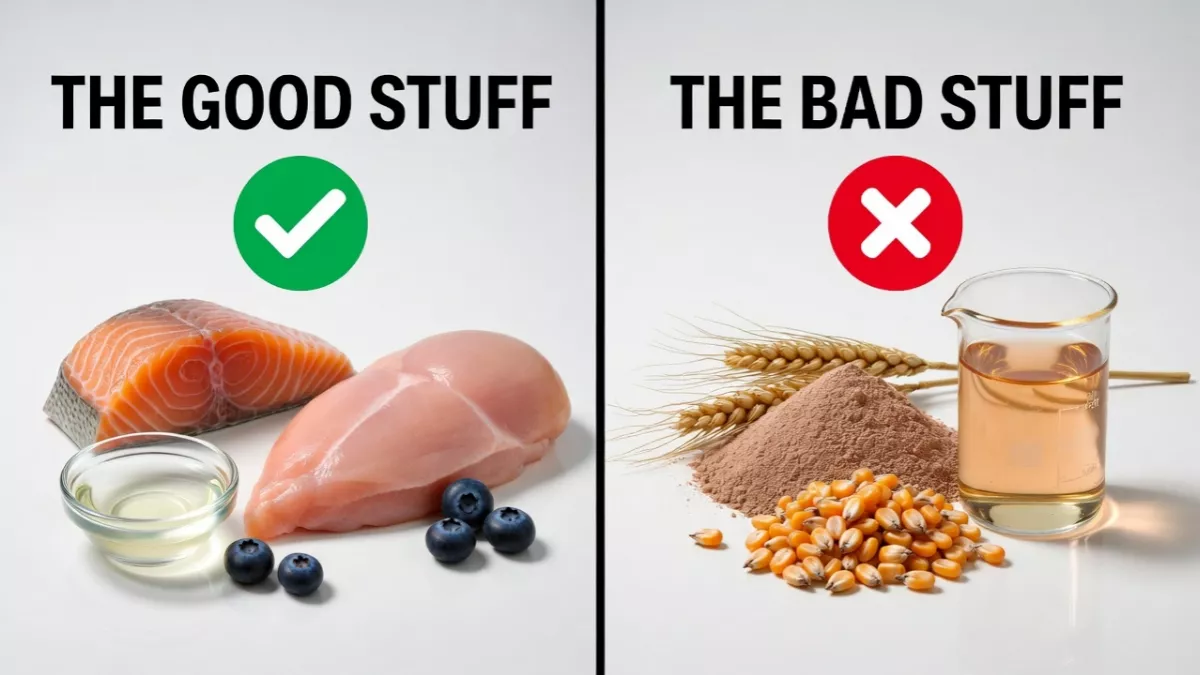
When you are standing in the pet aisle reading the back of a bag, use this cheat sheet.
What to Look For (The Good Stuff)
- Named Meats: Chicken, Turkey, Salmon, or Duck should be the first ingredient.
- Animal Fats: Look for specific fats like “Chicken Fat” rather than generic “animal fat.”
- Supplements: Glucosamine and Chondroitin for joint support are a big plus.
Ingredients to Avoid (The Bad Stuff)
- Generic Meals: “Meat Meal” or “Poultry Meal” (unknown sources).
- Fillers: Excessive Corn, Wheat, or Soy flour.
- Artificial Preservatives: BHA, BHT, or Ethoxyquin.
How Much Should I Feed My Maine Coon?
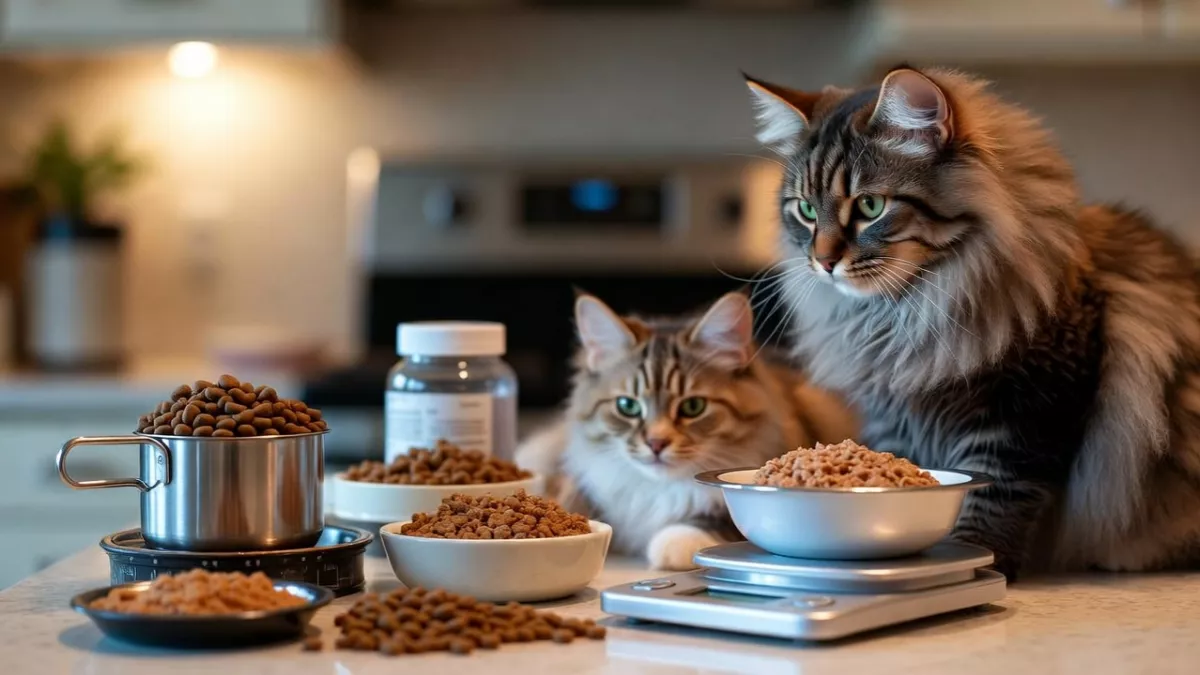
This is the million-dollar question. Because they vary so much in size (a 12lb female vs. a 25lb male), there is no single number.
The General Rule:
Active Maine Coons typically need 25 to 35 calories per pound of body weight.
- Example: A 20lb cat might need approx 600 calories a day.
| Time of Day | Food Type | Purpose |
|---|---|---|
| Morning | Wet Food | Hydration after sleeping |
| All Day | Dry Kibble | Energy grazing |
| Evening | Wet Food | Protein boost & bonding |
Listen to your cat:
Males will eat significantly more than females. Also, during growth spurts (especially between 9 and 18 months), they might act like they are starving. Feed them. If they are growing, they need the fuel.
Note on Budget: High-quality food is not cheap. When calculating the cost of ownership in our Maine Coon Cat Price 2026 guide, food is often the biggest monthly expense. However, spending $20 extra on food now can save you $2,000 in vet bills for kidney disease or diabetes later.
Best Food for Maine Coon Cats: FAQ
Yes, a “Raw Diet” (BARF diet) is very popular among breeders. It is the most natural way to feed a cat. However, it requires careful preparation to ensure they get the right balance of calcium and taurine. If you are a beginner, stick to high-quality commercial wet food first.
Maine Coons have a faster metabolism than regular cats because of their size and energy. If they are constantly begging, check the protein content of your food. Low-quality food (high fillers) leaves them feeling empty. High-protein food keeps them fuller for longer.
An Investment in Health
Choosing the best food for Maine Coon cats isn’t just about buying the most expensive bag on the shelf. It is about reading the label and understanding that you are feeding a gentle giant, not a garden-variety tabby.
By using the “Mix Method” (Wet + Dry) and prioritizing high protein, you are ensuring your Ferrari runs smoothly for years to come.
What is your giant’s favorite meal? Does he prefer fish or chicken? Let us know in the comments below!

Head of Health Research & Nutrition Specialist
Emma specializes in feline nutrition and safety standards. Her role is to vet the science behind every article, ensuring you get advice that is not just engaging, but medically sound and 100% safe for your Maine Coon or Ragdoll.
